
Interiors
Houston Backsplash
The smallest surface in the kitchen that gets the most attention.
Family-owned in Houston since 1993. Call (713) 909-0034 to schedule an estimate.
The work
About Backsplash
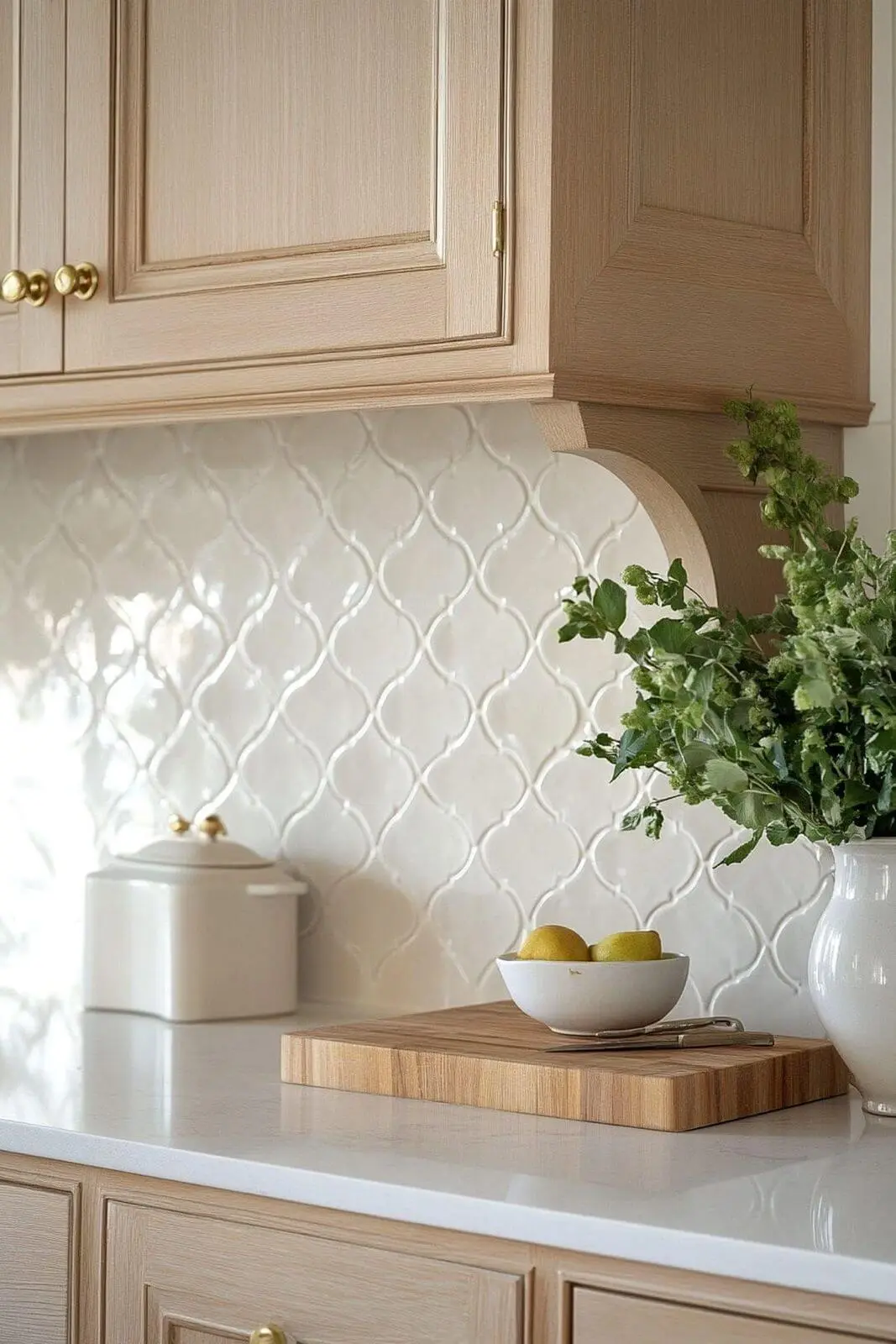
A backsplash is the wall that finishes the kitchen. Chevron, herringbone, geometric and hand-finished tile all depend on a careful layout.
We lay the pattern out on the wall before we set it, so cuts land where they should and the design centers on the range, the hood or the window. Grout and sealer are chosen so a working kitchen can be wiped down.
A backsplash fails in the layout, not in the grout color. We dry-lay the pattern so the repeat centers on the range, the hood, or the window, and so the cuts do not pile up at the end of a short run. Outlet covers, the vent, and the window stool are part of that drawing.
The wall behind an old backsplash is not always sound. We find that when the old tile comes off, and we say so before the new field goes up.
What is included
- New backsplash installation
- Removal and replacement of old tile
- Custom layouts and patterns
- Repairs, regrouting and sealing
- Waterproofing where needed
Tile we install
Ceramic · Porcelain · Glass · Marble and natural stone · Custom tile
Related guides
Built for Houston
The wall that finishes the kitchen.
In a Houston kitchen the backsplash is often the surface people notice from the doorway: the pattern behind the range, the stone against the counter, the line where tile meets cabinet.
We set the main area so the pattern shows, then grout and finish the edges. A sealer suited to a working kitchen is part of the install, so the wall you chose can be wiped down.
Houston kitchens throw grease, steam, and a wet sponge at this wall every night. Grout and sealer are chosen so the field can be wiped down. A porous stone next to the range is a care conversation we have before the tile is ordered, not after the first tomato sauce.
01
Centered on the range
The repeat is planned before the first tile is set, so the focal point lands on the hood, the window or the range.
02
Pattern on a short wall
Older inside-the-Loop kitchens often have a short stretch of wall. Chevron and herringbone have to be planned so the end gets a clean cut.
03
Stone against stone
Marble counters and a stone backsplash need joints and sealers that work together. We coordinate that with the countertop work.
In and around
The Heights · Bellaire · West University · River Oaks · Memorial · Upper Kirby · Rice Village · The Woodlands
Houston
A short wall, a wet climate, and a working kitchen.
The backsplash is small. The house around it still decides the layout, the cuts, and whether the wall behind the old tile can take a new one.
Short inside-the-Loop runs
Heights, Bellaire, and West University kitchens often have a short wall between a window and a tall cabinet. Chevron, herringbone, and a large geometric tile need a repeat that finishes on purpose. We plan the cuts before the thinset is mixed.
Steam and grease
The range wall lives in humidity and in cooking. Glossy ceramic and porcelain wipe down. Natural stone and a handmade tile with an open body may want a sealer, and they will still mark if you treat them like a plastic panel. We match the material to how you cook.
The counter under it
Tile meets stone at a joint that has to be straight even when the old house is not. We set the field after the counter is in, or we protect a counter that is staying. Out-of-square corners get a planned scribe, not a thick caulk line hiding a bad cut.
Outlets and the permit line
A backsplash in the same place, with the same outlets, is usually a finish. Moving an outlet, adding under-cabinet power, or opening the wall for a new hood is when electrical, and sometimes a permit, enters the job. An HOA almost never reviews an interior backsplash.
How it goes
What to expect, step by step.
- 01
Look at the wall
We check the counter, the outlets, the window, and whether the wall behind the old tile is sound. A short Heights stretch and a long Katy wall are laid out differently.
- 02
Center the pattern
Chevron, herringbone, and geometric tile are dry-fit in the plan so the repeat lands on the range, the hood, or the window, not on an awkward cut at the end.
- 03
Protect the stone
Counters and cabinets stay covered. Old tile comes off carefully. If the drywall behind it is soft or moldy, we stop and show you before new tile goes up.
- 04
Set and finish
Mortar, cuts, edges, and outlets are set so the main wall reads as one piece. Grout and a sealer suited to a working kitchen come last.
- 05
Wipe and walk
We clean the haze, check the lines, and walk the wall with you, including the places tile meets the hood and the counter.
- 06
Note the wet wall
If the backsplash was opened because of a leak, the wall is dry before tile. A planned backsplash is not an insurance claim.
On the job
How the work moves.
01
Consult
We look at the wall, the counter, the outlets, and the pattern you want. If the old tile is staying until we know the new layout, we still measure the run and the focal point.
02
Plan
The repeat is drawn so it centers on the range, the hood, or the window. Edge trim, the inside corners, and the outlet cuts are in that drawing. Grout color and width are chosen with the tile, not after it is on the wall.
03
Prepare
Old tile comes off with the counter and the cabinets protected. The wall is repaired if the paper or the board is soft. A new backsplash on a soft wall will not stay flat.
04
Build
We set the field from the layout lines, keep the courses even, and cut the outlets so the plates sit flush. Patterns are checked as they go, not discovered at the last tile.
05
Finish
Grout, a sealer when the material wants one, and the caulk joint at the counter close the wall. Switch plates go back on. The range wall is wiped down.
06
Walk through
We look at the focal point, the end cuts, and the joint at the counter with you. You see the wall in the light you cook in, not only in a showroom sample.
Signs
Signs you need a new backsplash.
The grout is the color of the cooking
Grease and years of wiping stain a field that was never sealed for a working kitchen. Regrout can be enough. A cracked or loose field usually wants to come off.
The pattern was an afterthought
A chevron that dies in a sliver at the window, or a tile that ignores the hood, is a layout problem. The fix is a new layout, not a darker grout.
The counter changed and the wall did not
New stone against an old four-inch backsplash is a common leftover. The joint, the height, and the outlet covers are what make the new counter look finished.
Tile is loose at the sink
Movement at the sink is often a soft wall or a long leak, not a bad grout color. We open that area and say whether the repair is the tile or the wall behind it.
Materials
Tile that has to live over a range.
Ceramic, porcelain, glass, marble, and other stone are all set here. They do not all behave the same way next to a burner.
Ceramic and porcelain
The usual working-kitchen field. Porcelain is denser. Both can take a subway layout, a larger field, or a pattern. The edge piece, bullnose or a metal trim, is chosen before the first course so the end of the run is finished.
Glass
Glass shows the thinset color and every trowel line. It wants a flat wall and a layout that respects the outlets. It wipes down well. It also shows chips, so the cuts at the switch plates have to be clean.
Marble and stone
A stone backsplash next to a stone counter can look like one idea or like two slabs arguing. We coordinate the joint, the sealer, and the care. Acid from cooking will mark marble. That is a property of the stone, and we say so.
Pattern and handmade tile
Herringbone, chevron, and a handmade field with size variation need a looser joint and a patient layout. On a short wall the variation is the design only if the cuts are planned. We dry-lay before we set.
Cost
What a backsplash tends to cost.
The price is the square feet, the pattern, the condition of the wall, and how many outlets and corners the run has. A straight porcelain field on a sound wall is a different day from a herringbone in stone on a wall that needs repair.
- Regrout and seal an existing field$400 to $1,200
- Ceramic or porcelain, a typical kitchen run$1,200 to $3,500
- Stone, glass, or a complex pattern$2,500 to $6,000
These are typical planning ranges for a kitchen backsplash in Greater Houston, not a quote. The size of the job, the materials, and what we find at the house move the number. The price comes from an on-site estimate. Call (713) 909-0034.
Pattern and cuts
A stacked field sets faster than a chevron or a mosaic. Outlet cuts, a window, and inside corners add time on a short kitchen wall.
The wall behind
A sound wall is prep and thinset. A soft wall is drywall repair before any tile. We do not price the repair until the old tile is off, and we tell you before we do it.
Material
Standard ceramic or porcelain is the lower range. Glass, marble, and a handmade tile with a lot of variation sit higher, both in the material and in the setting.
Signs
Signs the backsplash is the project.
The backsplash is ready when the tile is stained at the range, the grout has cracked along a seam, or the wall no longer matches a counter you are keeping. It is also ready when a new stone counter is going in and the old four-inch strip will look like an afterthought against it. A short kitchen in the Heights or West University makes the pattern obvious. There is nowhere for a bad layout to hide.
If the wall is soft, or the paint behind a loose tile is damp, the tile is not the first question. Water at the sink, the dishwasher, or a window over the counter has to be understood before new tile covers it. We look before we order tile.
01
The pattern fights the range
A repeat that dies in a sliver at the hood is a layout miss. We center it before the first tile is set.
02
Grout you cannot clean
Grease and Houston humidity stain tired grout. Regrout is sometimes enough. A failed bond or a soft wall means the tile comes off.
03
New stone, old tile
A fresh counter against a dated backsplash is the usual pairing. The tile should be chosen with the edge and the height of the stone.
Materials
Ceramic, stone, and grout that can be wiped.
Ceramic and porcelain are the workhorses. Glass shows every uneven spot in the wall and needs a flat substrate. Marble and other stone want a sealer and a grout that will not scratch the face. Handmade and patterned tile move a little piece to piece. That is the look, and the layout has to allow for it instead of fighting it with knife-edge joints on a wavy wall.
Grout color is part of the design and part of the upkeep. A light grout on a cooking wall shows everything. A grout and sealer you can actually wipe down belong in a Houston kitchen, where humidity and cooking grease both land on the wall. Outlets and switch plates are planned into the layout so they do not slice the pattern at random.
01
Full height or a short wall
A short band between counter and cabinet is the common job. Full height, or a stone slab backsplash, is more material and a different edge at the hood.
02
Stone against stone
A marble counter and a stone backsplash need joints that agree. We coordinate that with the countertop work so the lines are intentional.
03
Edges and the window
Finished edges, a window sill, and the turn at the end of the wall are what make it look complete instead of trimmed with a scrap.
Cost
What changes a backsplash price.
As a planning range, not a quote, a standard-height ceramic or porcelain backsplash on a typical Houston kitchen often falls around $800 to $2,500. Patterned tile, natural stone, or a full-height wall often plans around $2,500 to $7,000, and a complicated layout or a long island wall can sit higher. The visit sets the number. Tile price, the length of the wall, and how much cutting the pattern needs are the usual movers.
Removing a sound old backsplash is ordinary. Removing tile from a wall that comes apart, or repairing water damage behind it, is extra. Keeping the counters means we work over them carefully. Replacing the counters at the same time is often cleaner, and it is a different job. The page does not use one price for both.
01
Pattern takes time
Herringbone and chevron need a planned layout and more cuts than stacked tile. That labor is real. A simple grid is a shorter day.
02
The wall underneath
New drywall, or a wet space inside the wall, is repair first, then tile. A soft wall is fixed before any new backsplash goes up.
03
Outlets and trim
Moving an outlet to save a pattern, or wrapping a window, changes the job. We say so while the layout is still a drawing.
Houston
Short walls, humidity, and older kitchens.
Inside-the-Loop kitchens are often short. A Heights or Bellaire wall may be only a few feet between a window and a tall pantry. Chevron on that wall has to be designed so the cuts do not pile up. Newer Katy and Woodlands kitchens give you a longer wall and an island that may want the same material, or may not. Both are layout jobs. A longer wall is not automatically easier.
Humidity and cooking moisture are why sealer and grout matter after the tile is admired. A backsplash over a working range lives harder than tile in a powder room. If the house is pier and beam and the wall is out of plumb, which is common in older bungalows, the substrate is flattened before large or glossy tile goes up. Gloss shows the wave.
01
Part of a kitchen
On a remodel, the backsplash waits until the counters are in. Set it earlier and the stone will not meet it cleanly.
02
A leak is a different job
A planned backsplash is construction. If the wall is open because the sink leaked, we dry and document that first. Your insurer decides coverage.
03
Permit rarely
Tile over a sound wall usually does not, by itself, trigger a building permit. Moving plumbing or electrical behind it can. We say which one the plan is.
Related work
Seen in the field.
Coffered Ceilings & Marble Islands
Coffered Ceilings & Marble Islands
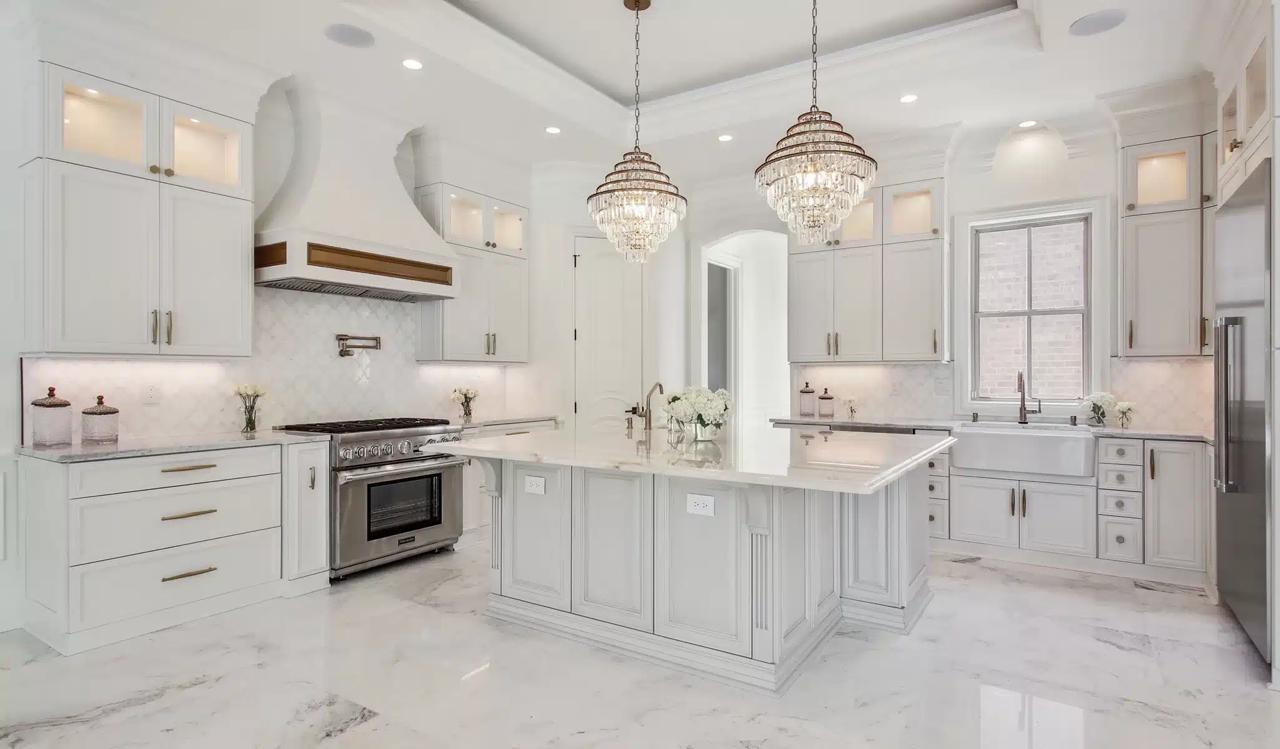
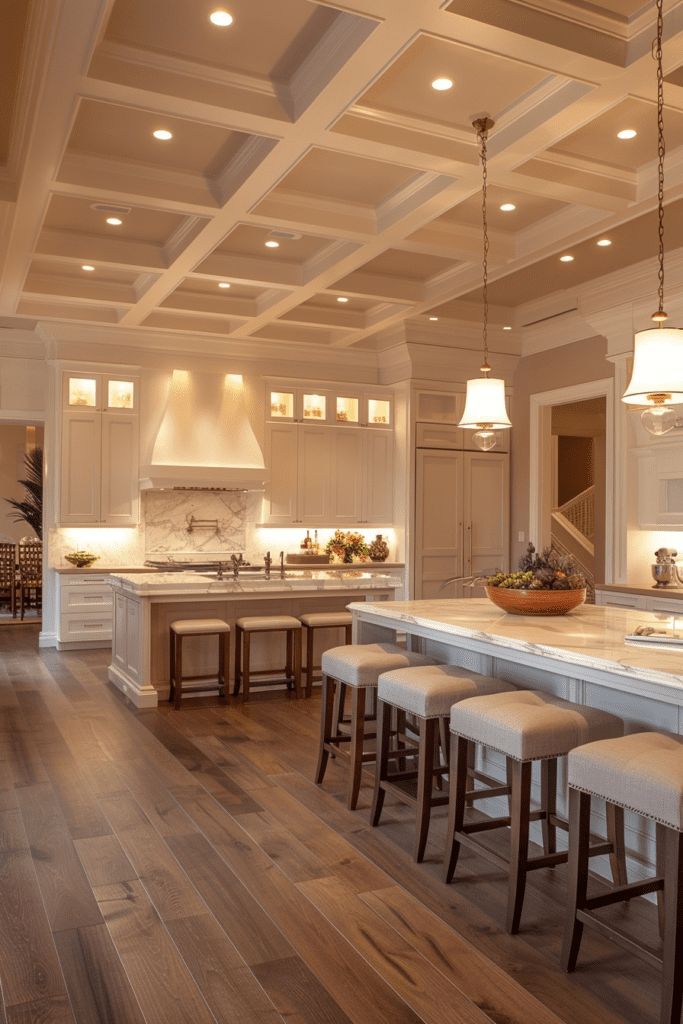
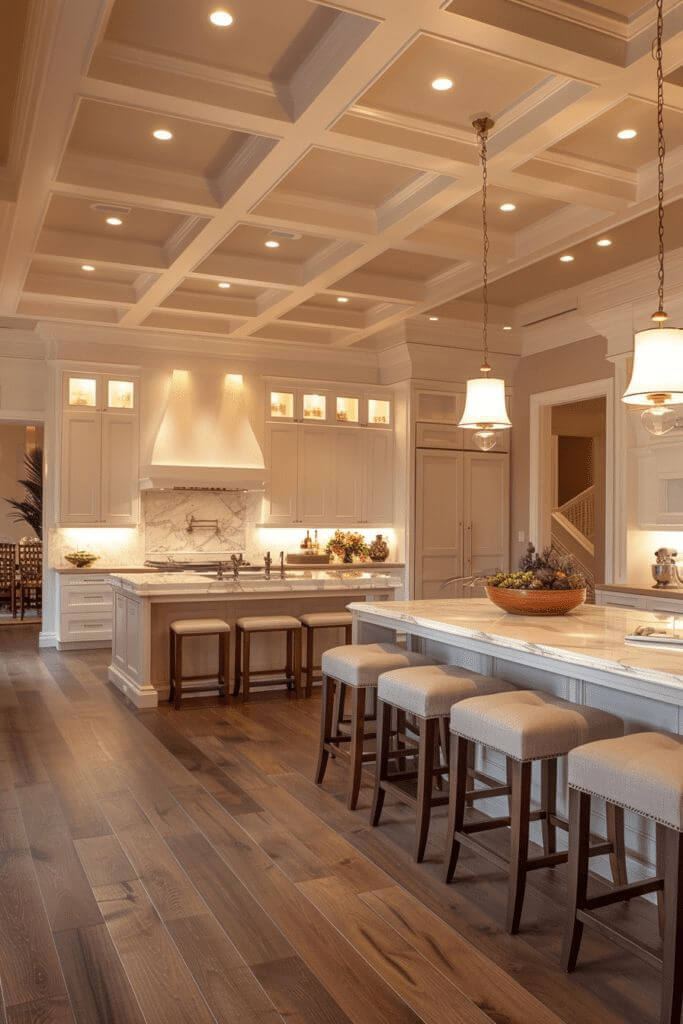
Coffered Ceilings & Marble Islands
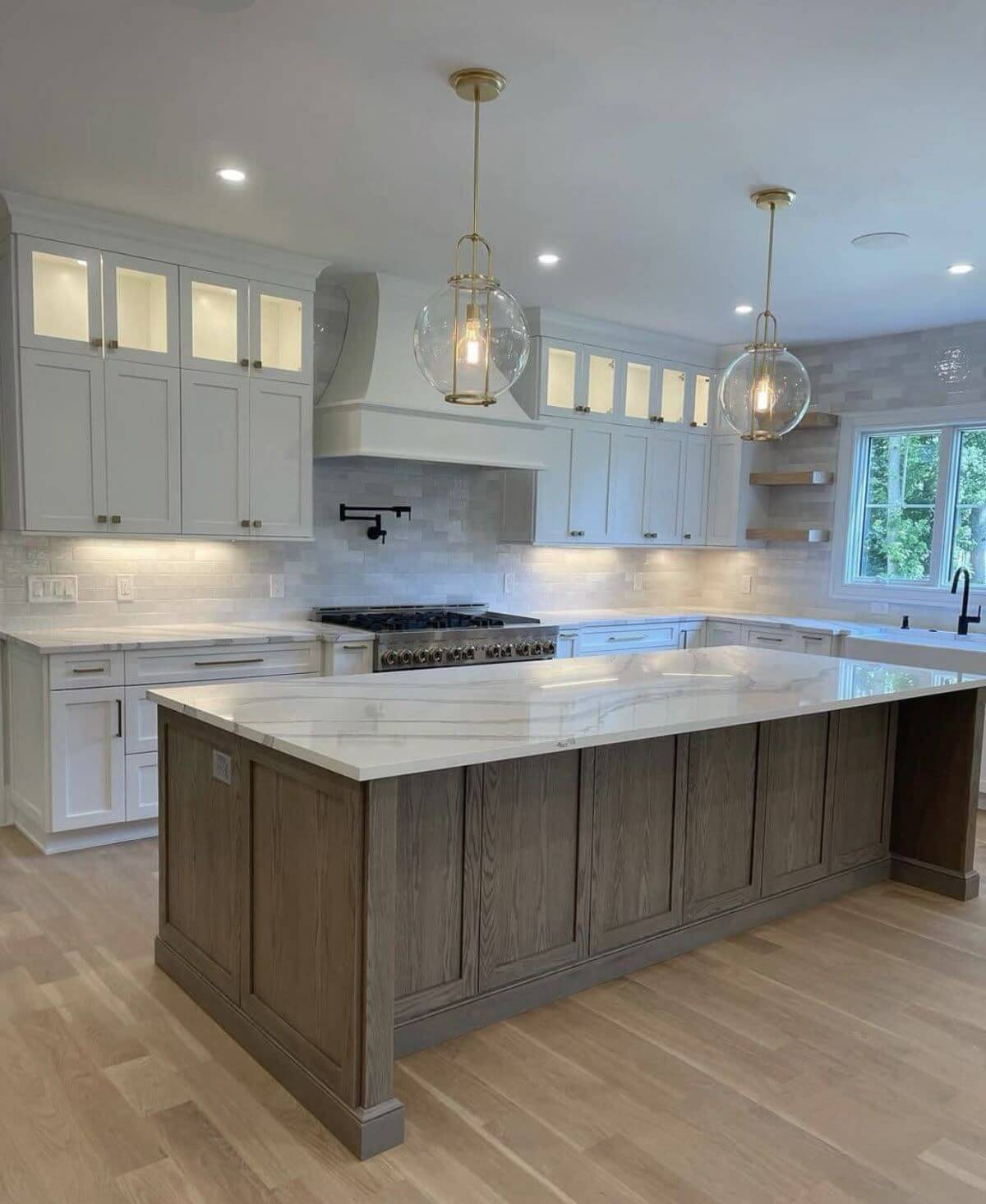
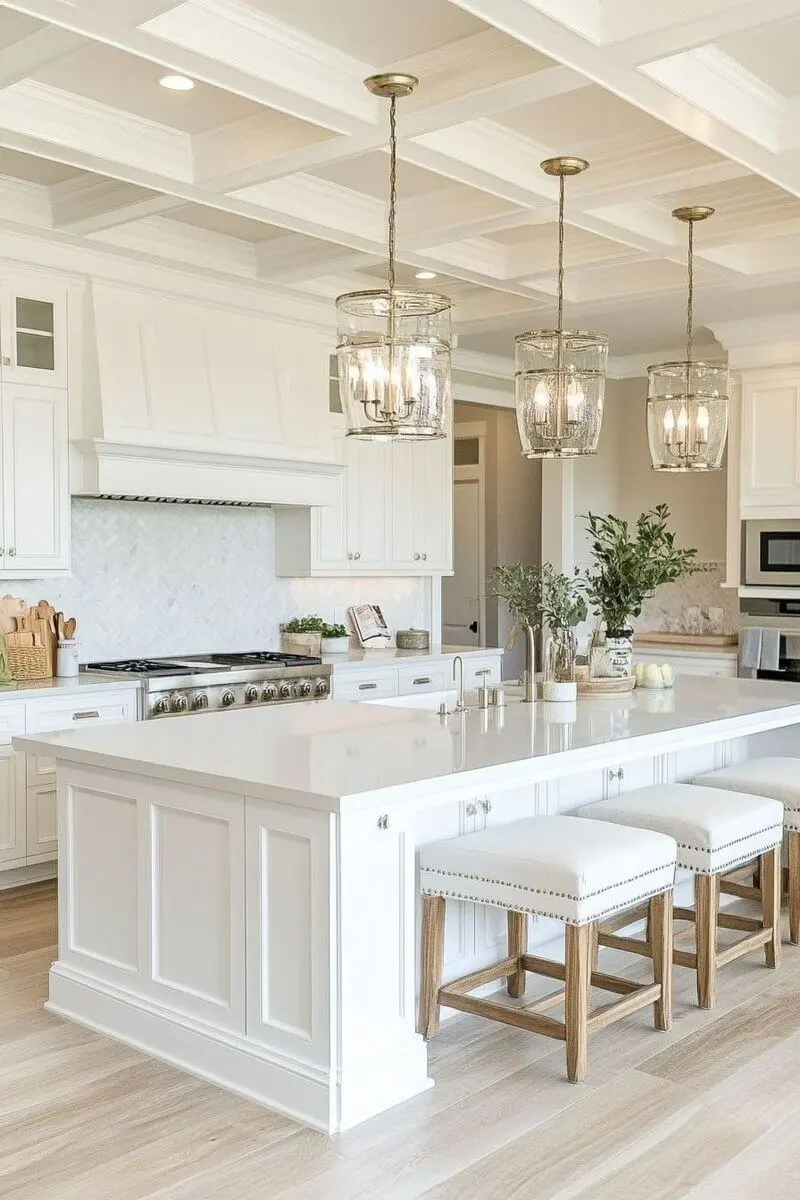
Coffered Ceilings & Marble Islands
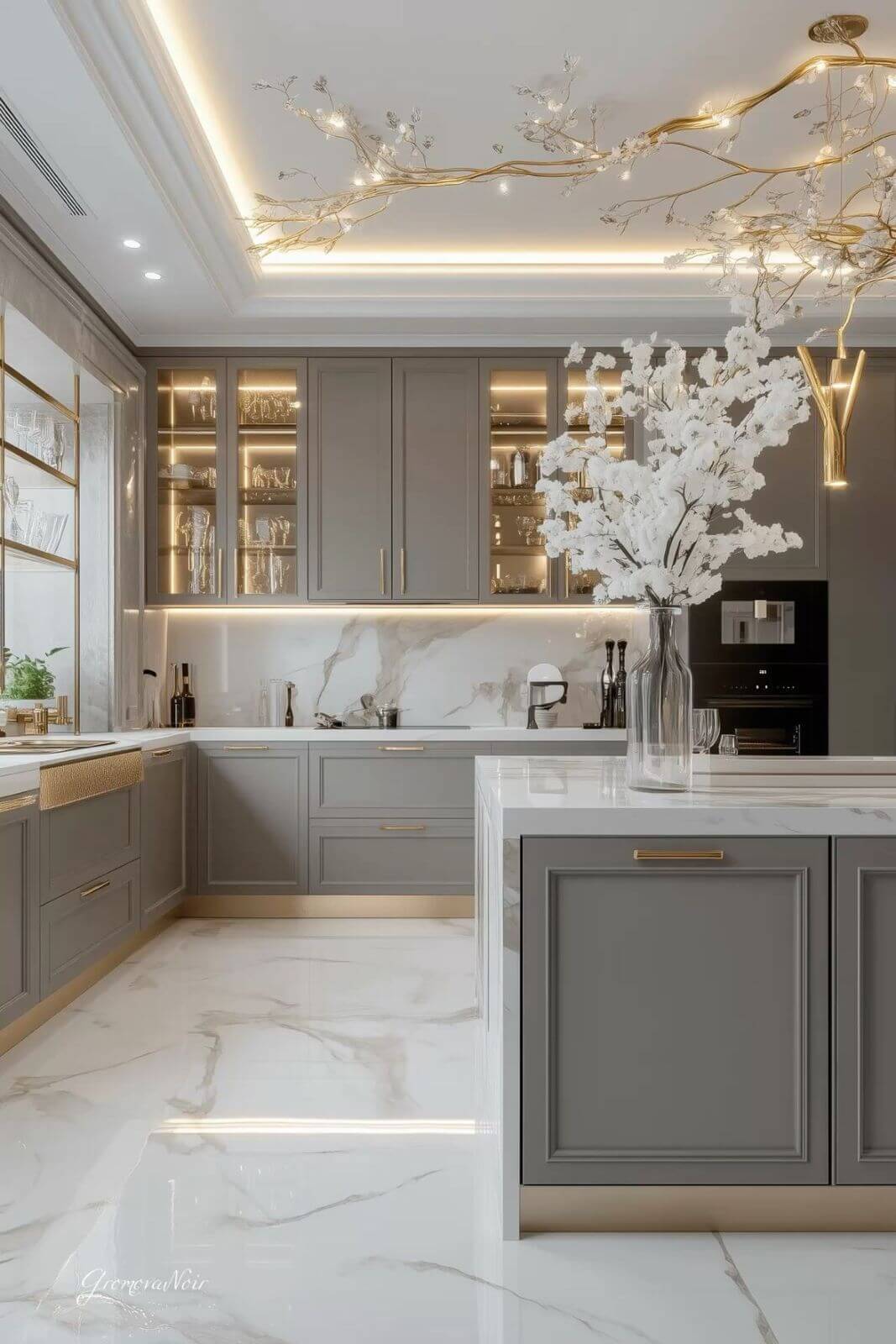
Coffered Ceilings & Marble Islands
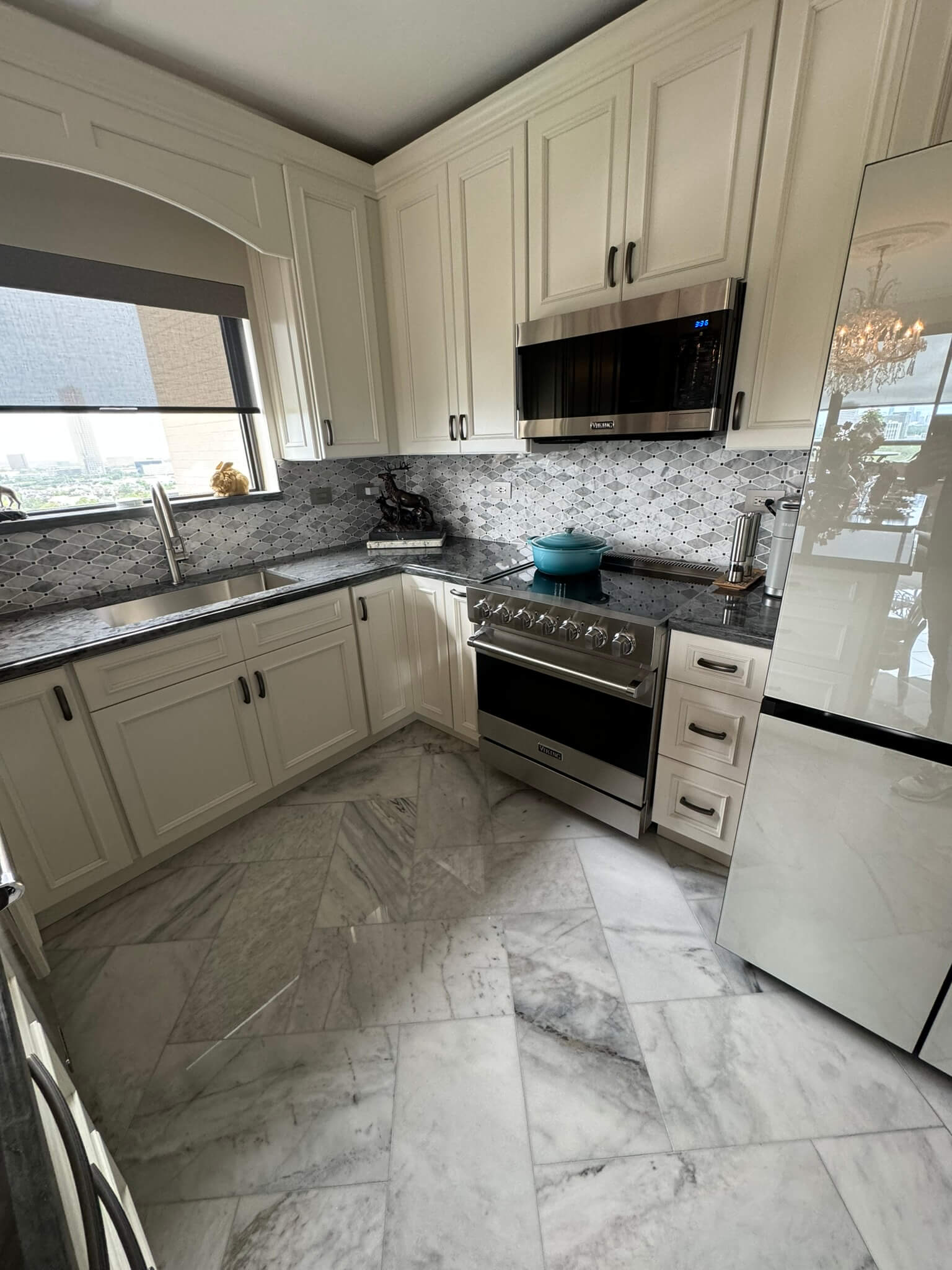
Coffered Ceilings & Marble Islands
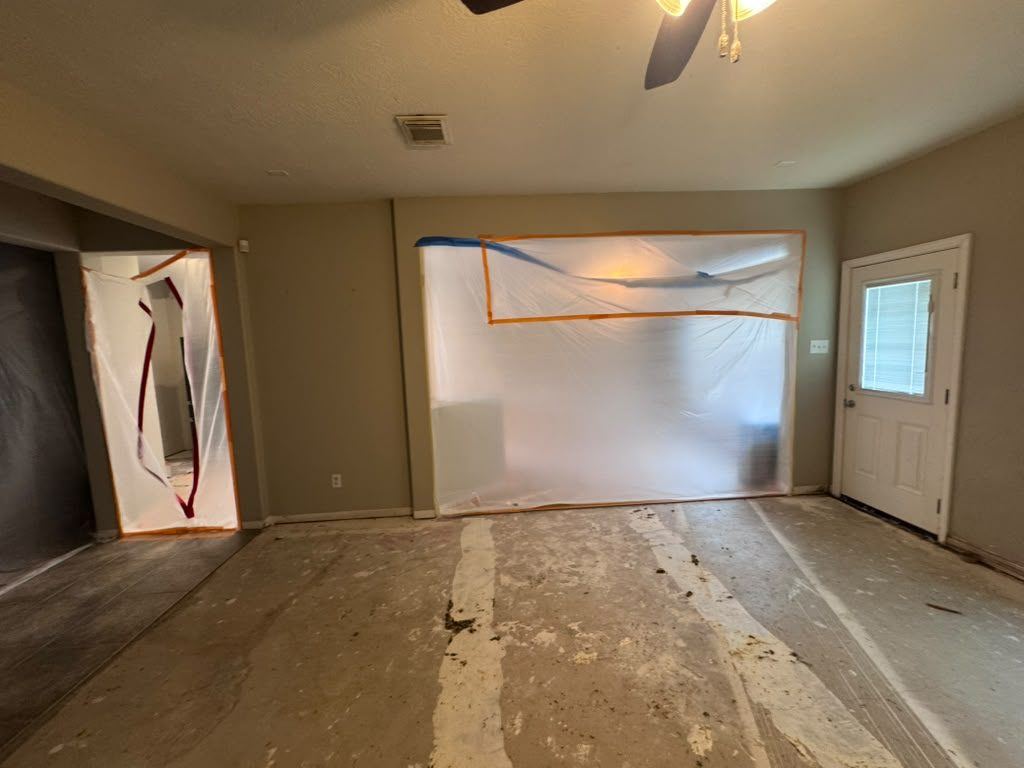
Downstairs flooring, stairs and kitchen in BlackHorse Ranch, Cypress
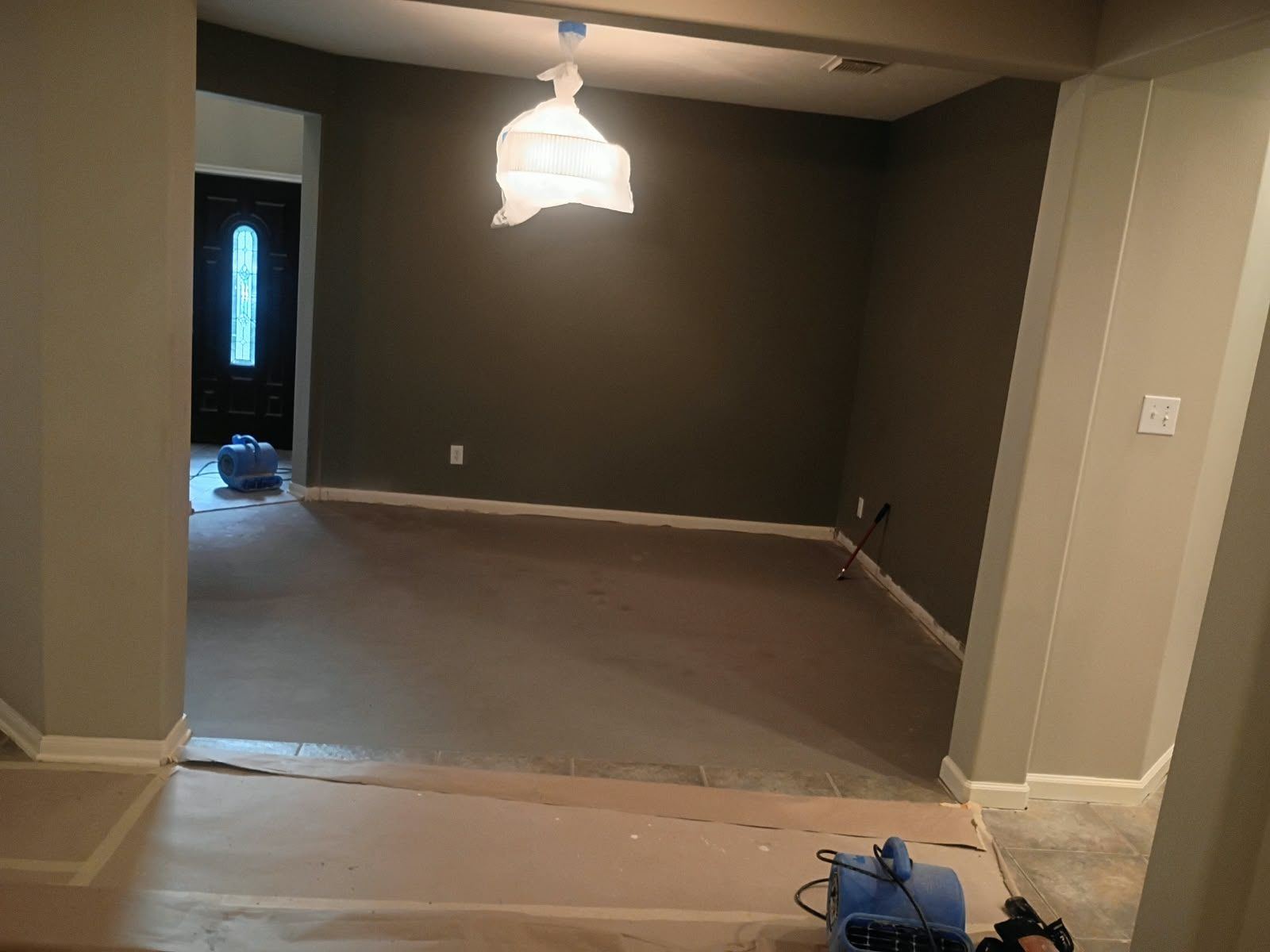
Downstairs flooring, stairs and kitchen in BlackHorse Ranch, Cypress
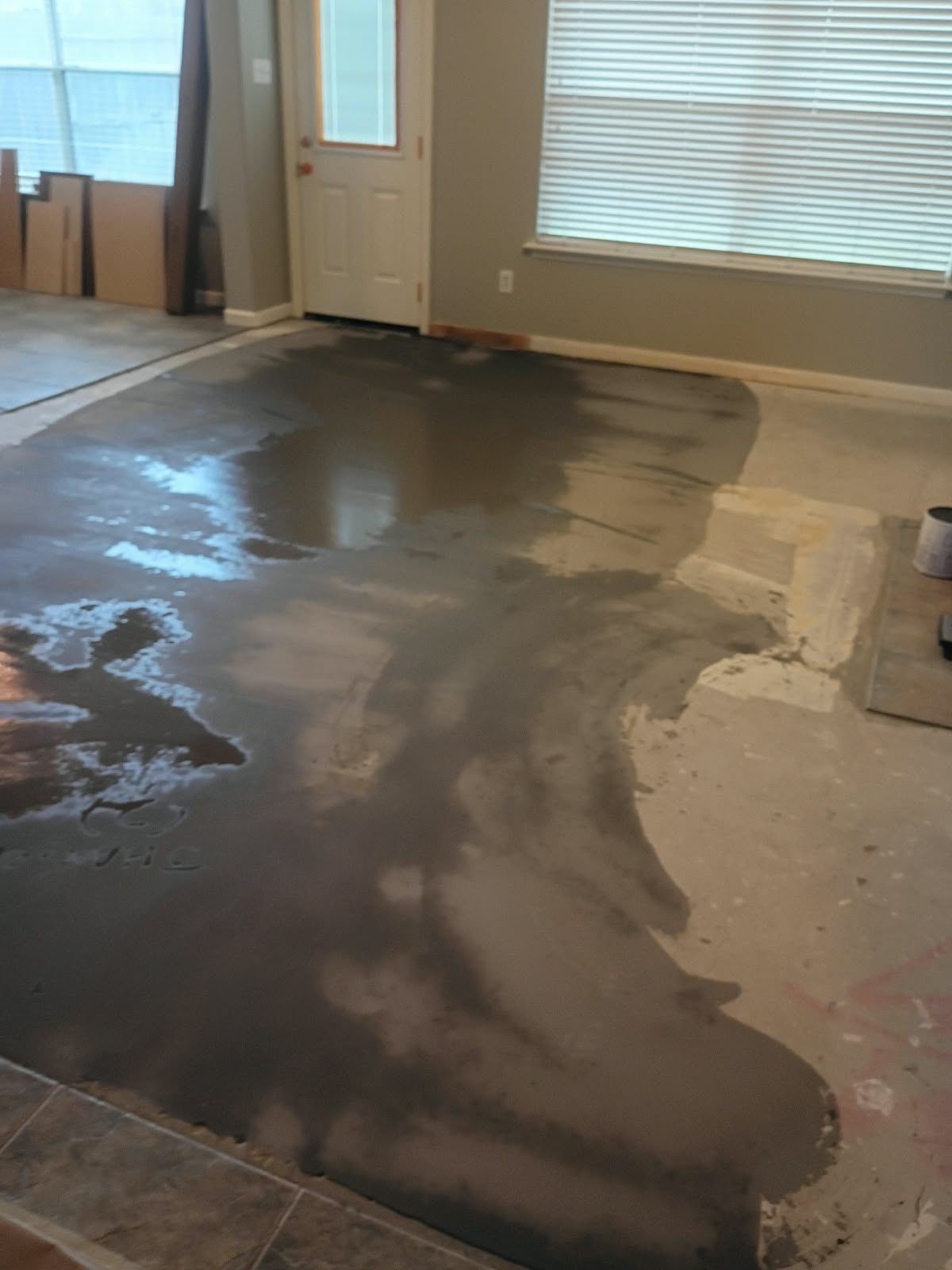
Downstairs flooring, stairs and kitchen in BlackHorse Ranch, Cypress
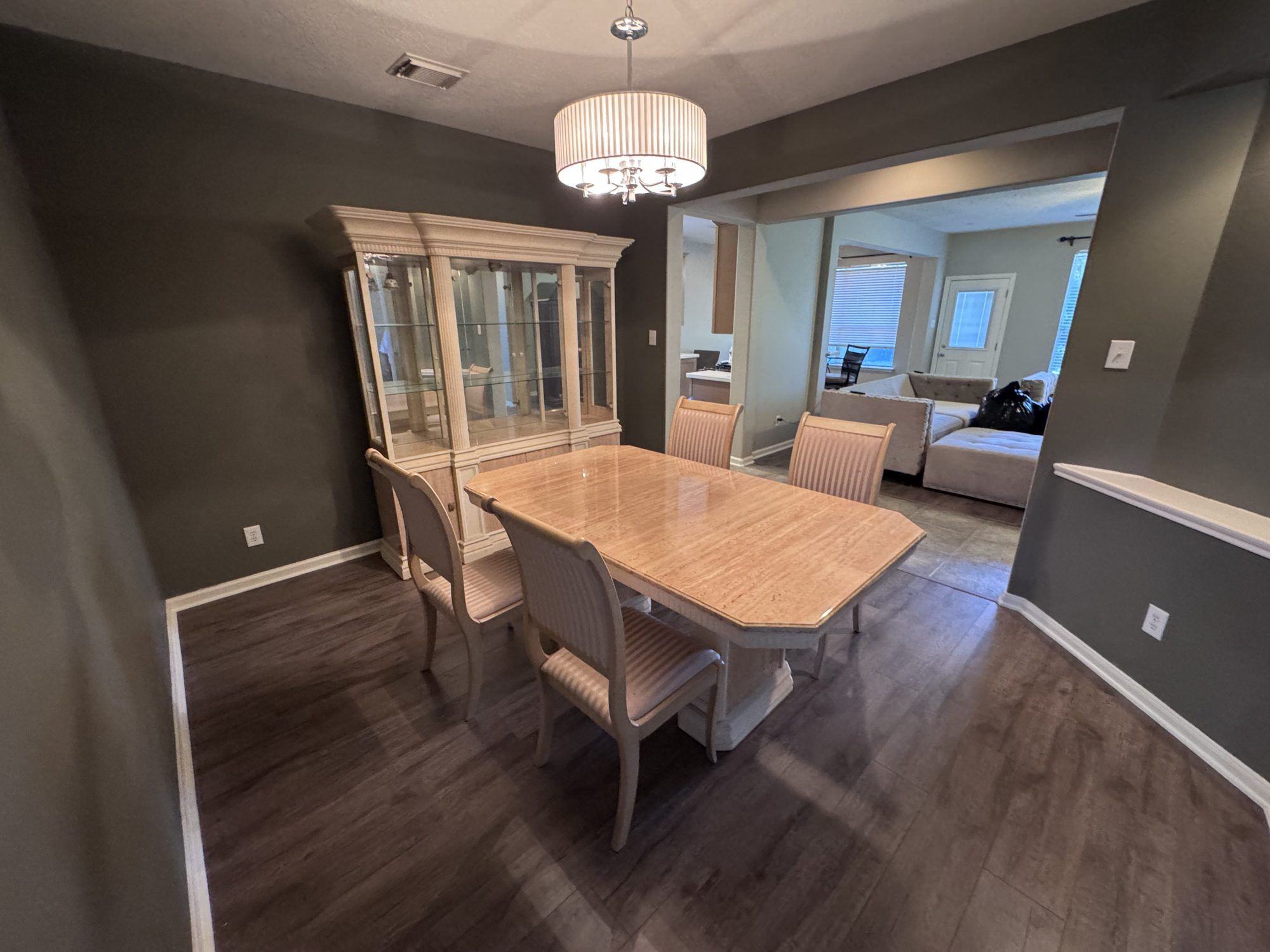
Downstairs flooring, stairs and kitchen in BlackHorse Ranch, Cypress
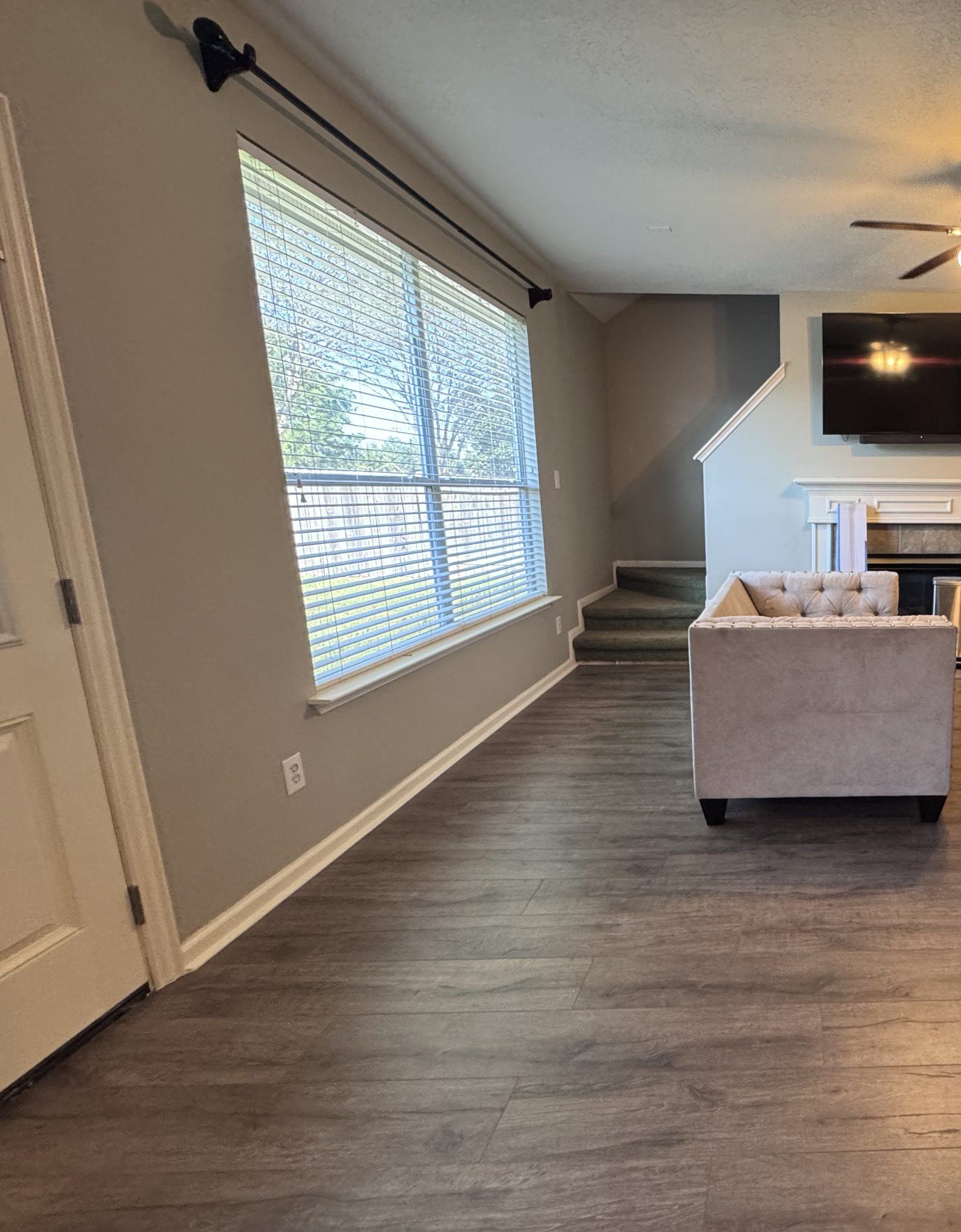
Downstairs flooring, stairs and kitchen in BlackHorse Ranch, Cypress
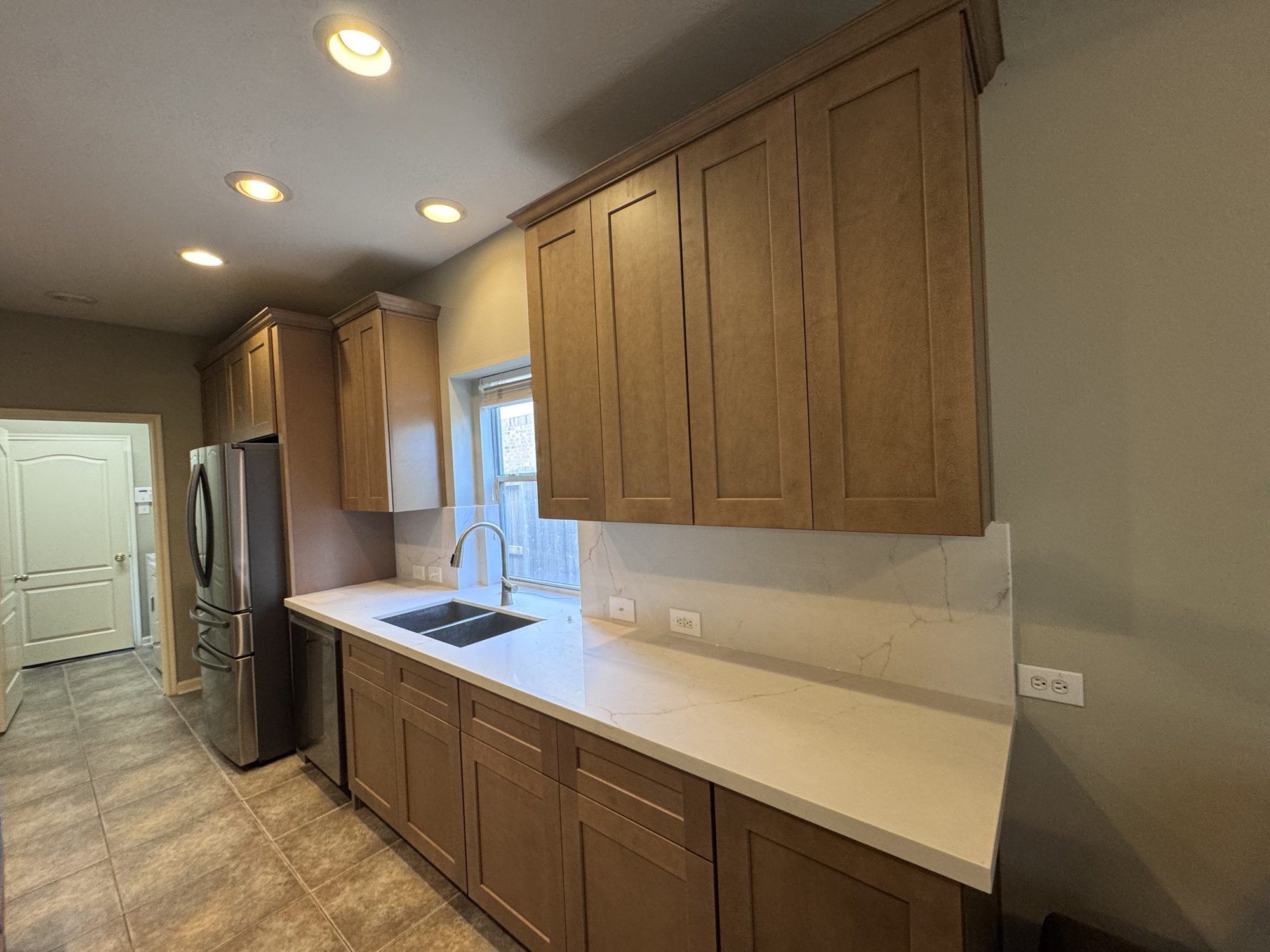
Downstairs flooring, stairs and kitchen in BlackHorse Ranch, Cypress
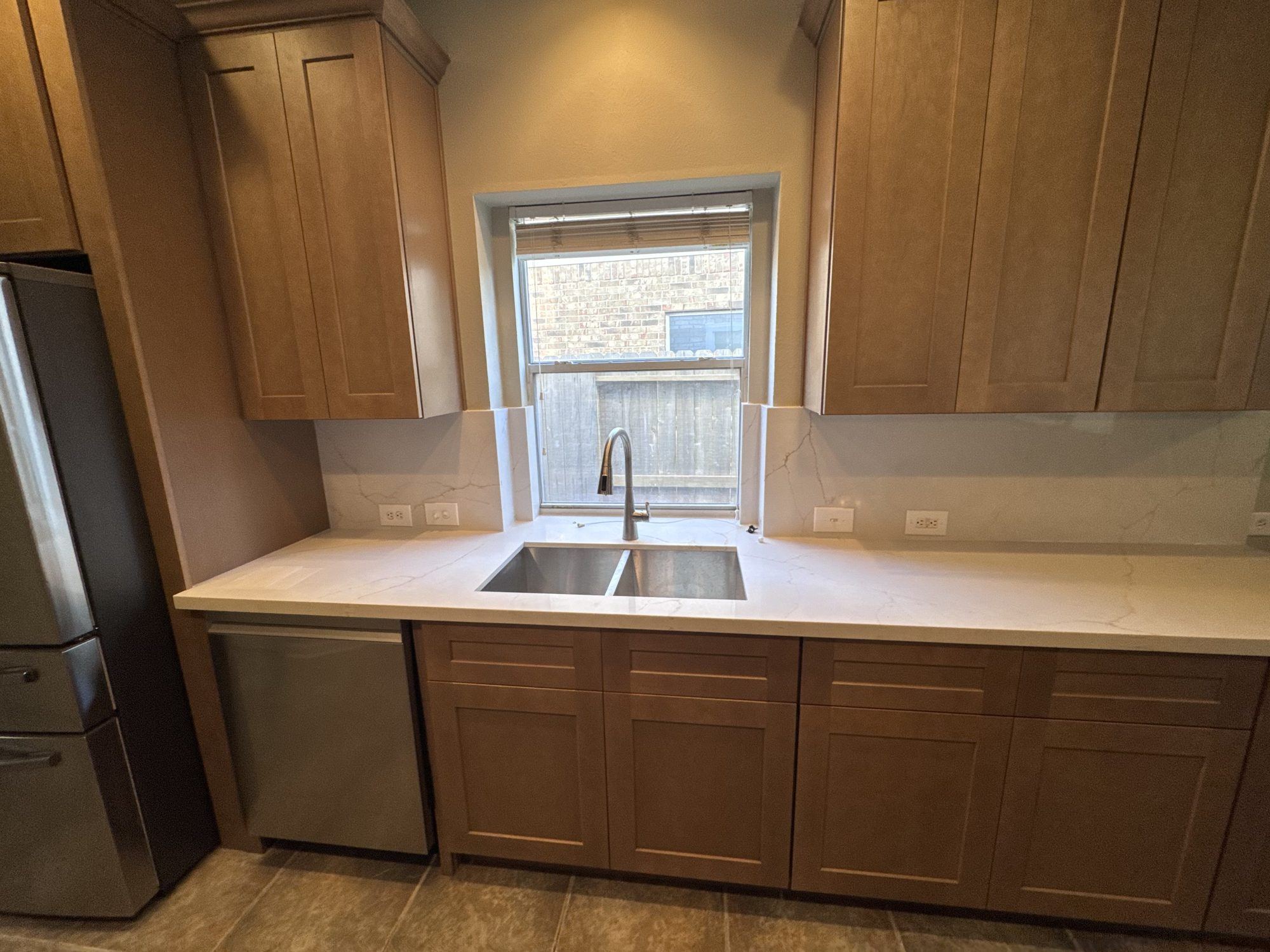
Downstairs flooring, stairs and kitchen in BlackHorse Ranch, Cypress
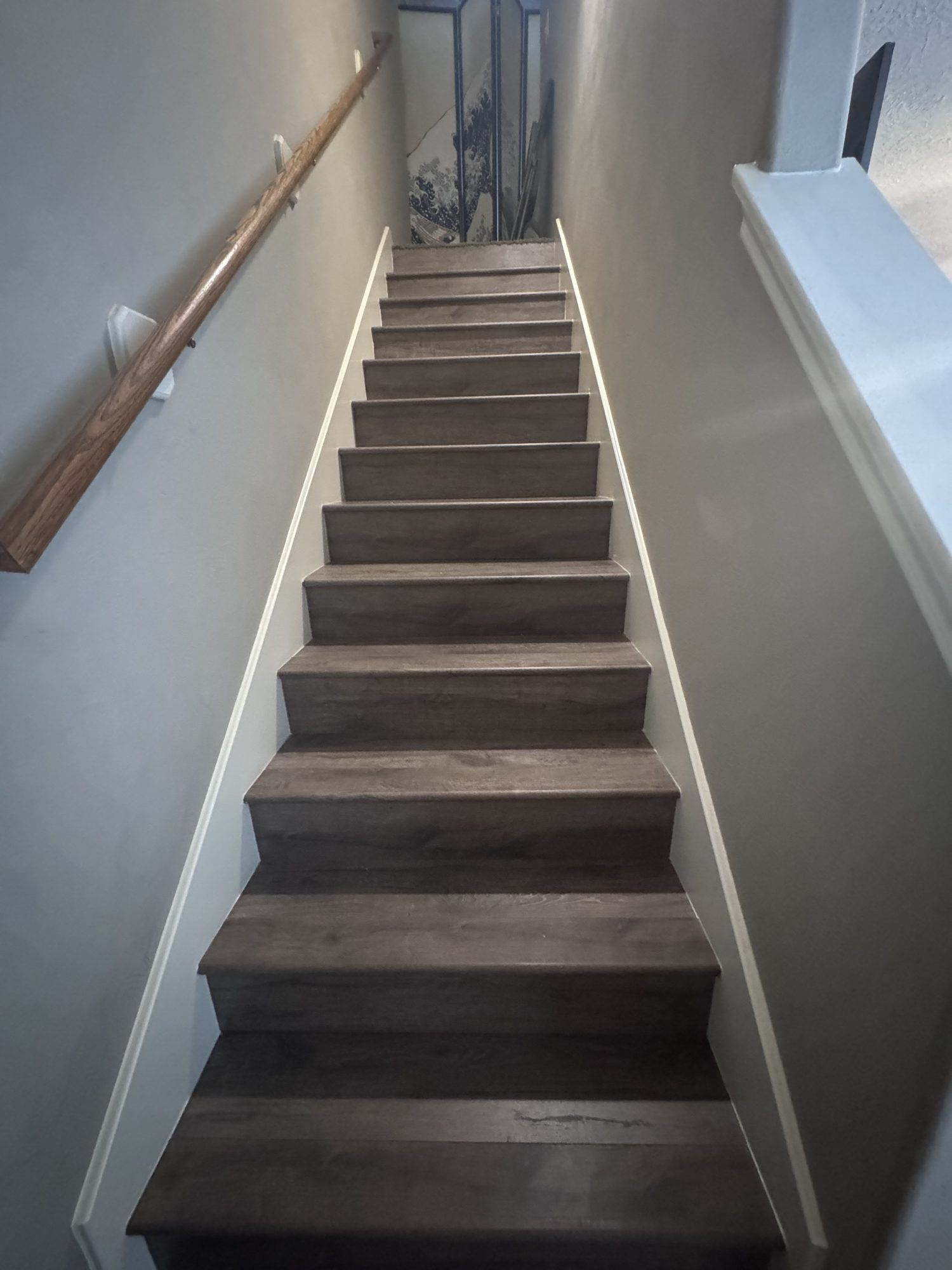
Downstairs flooring, stairs and kitchen in BlackHorse Ranch, Cypress
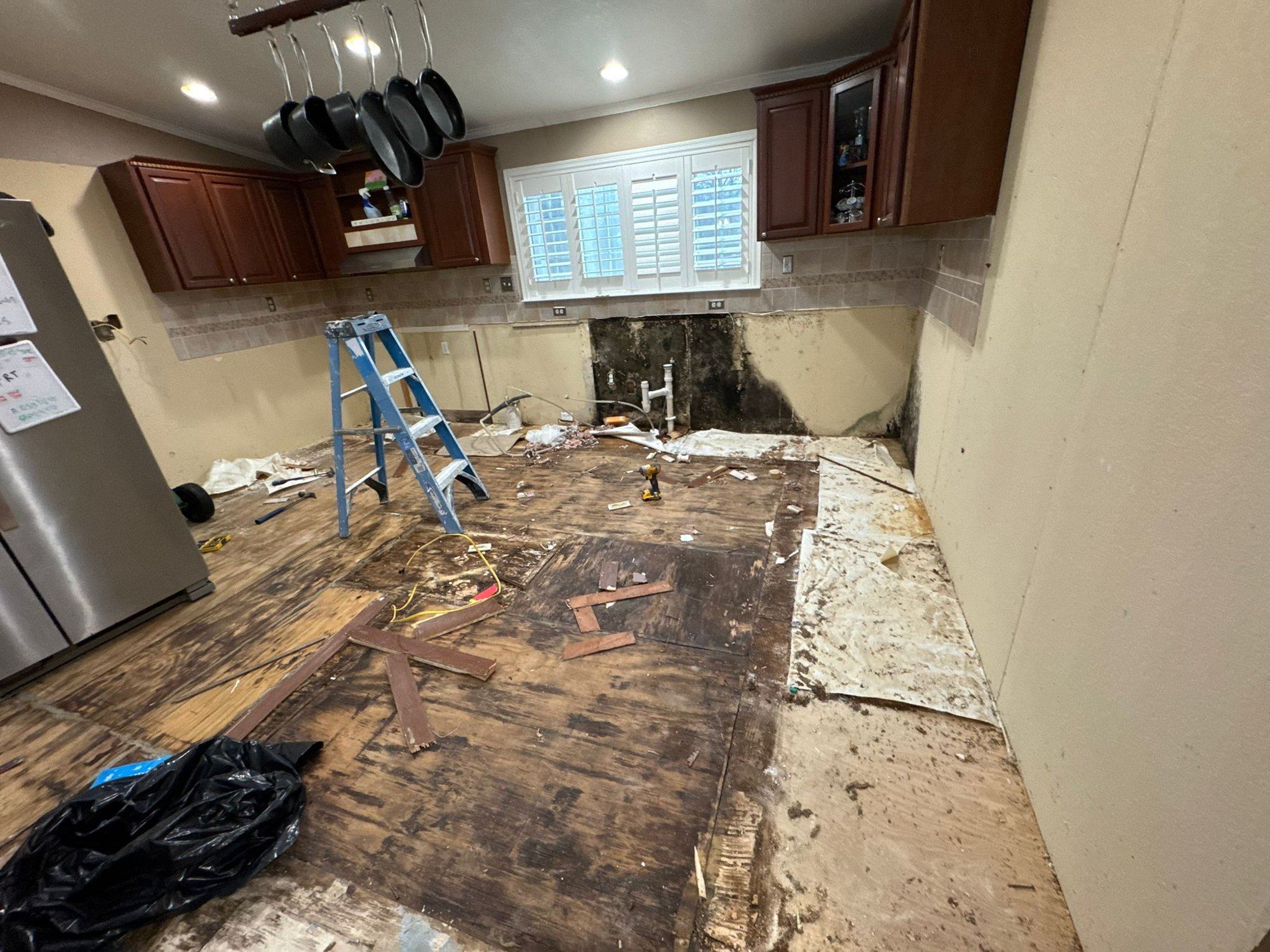
Water damage repair and rebuilt kitchen and bath in Crosby
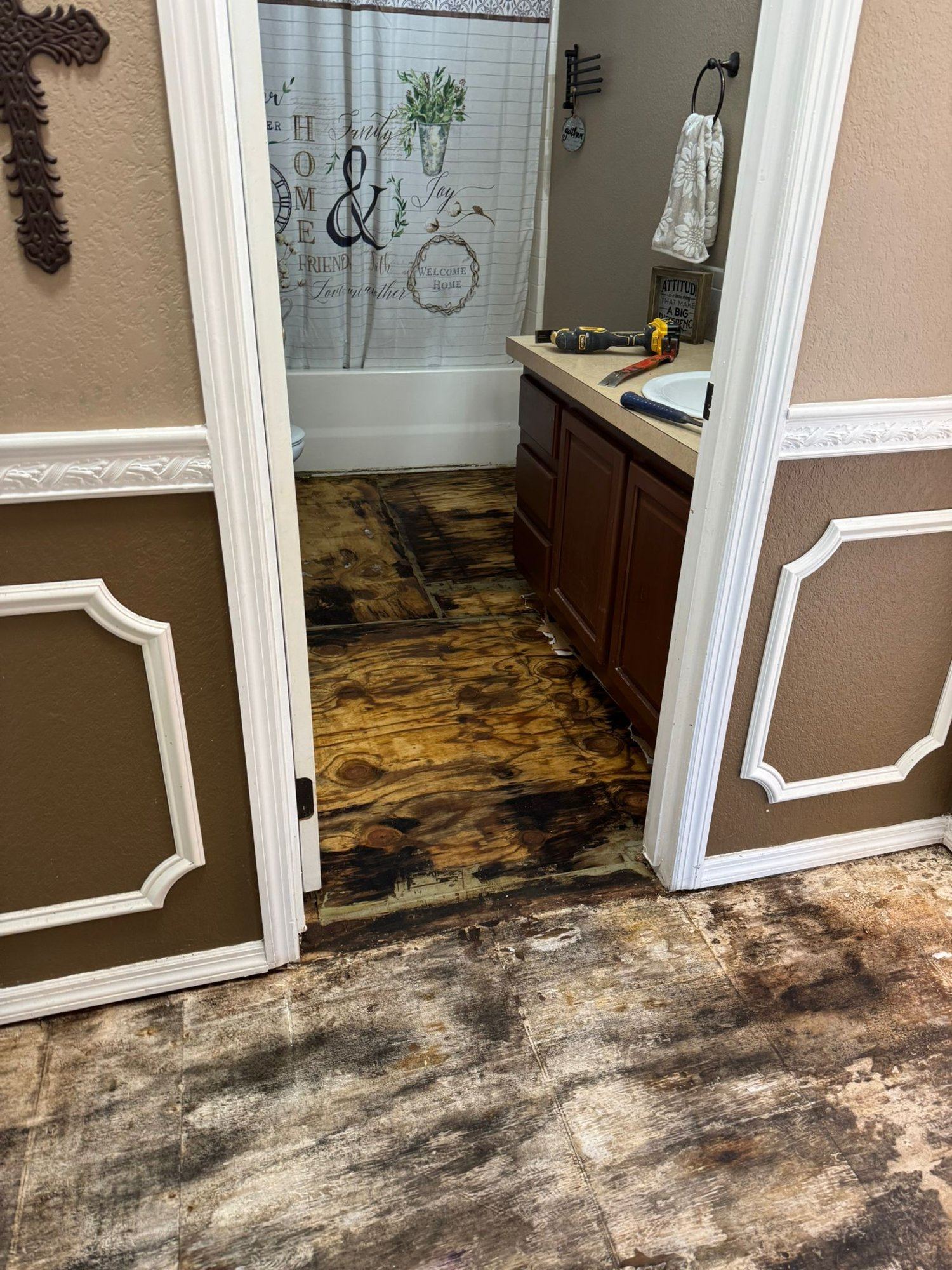
Water damage repair and rebuilt kitchen and bath in Crosby
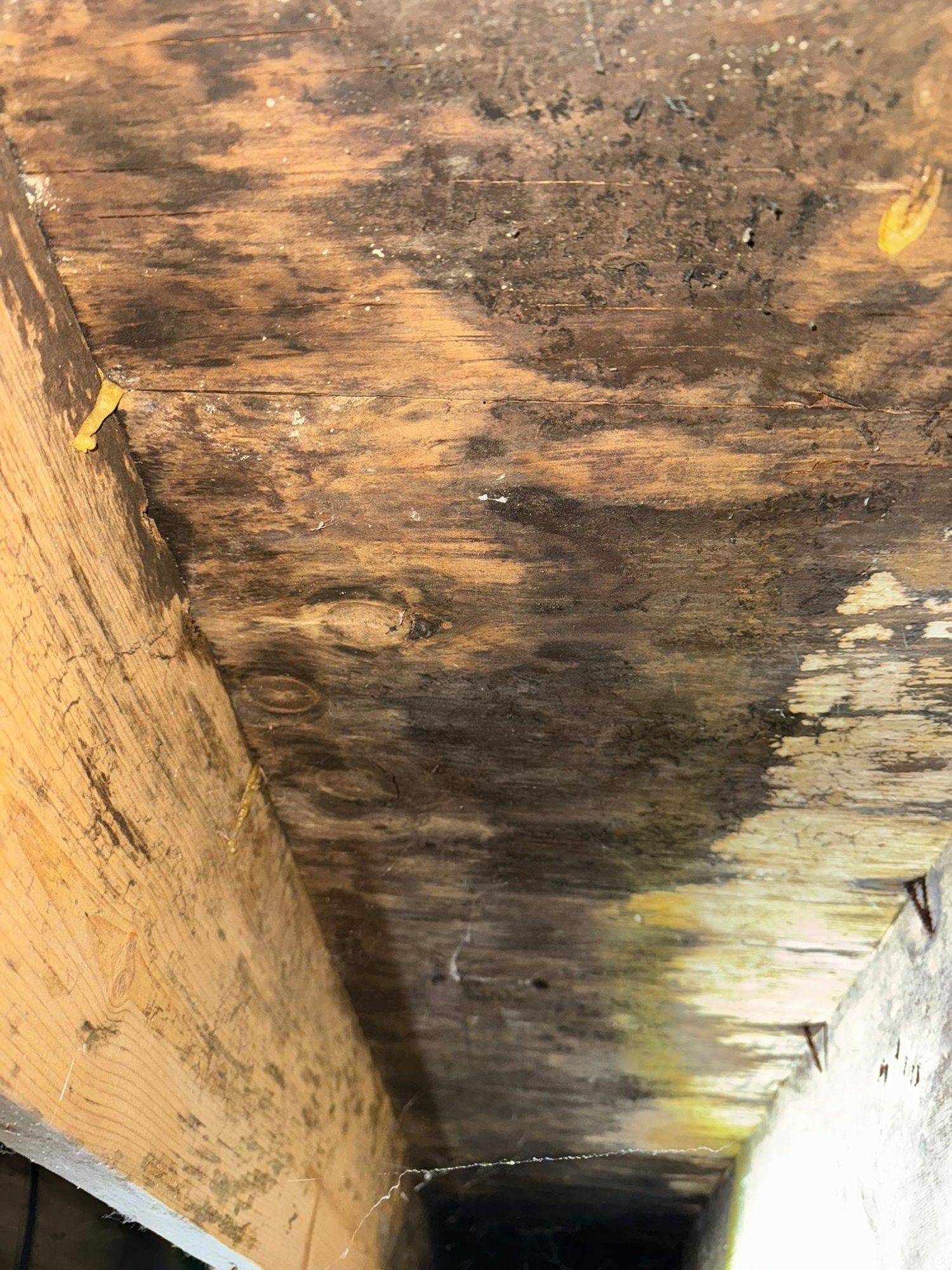
Water damage repair and rebuilt kitchen and bath in Crosby
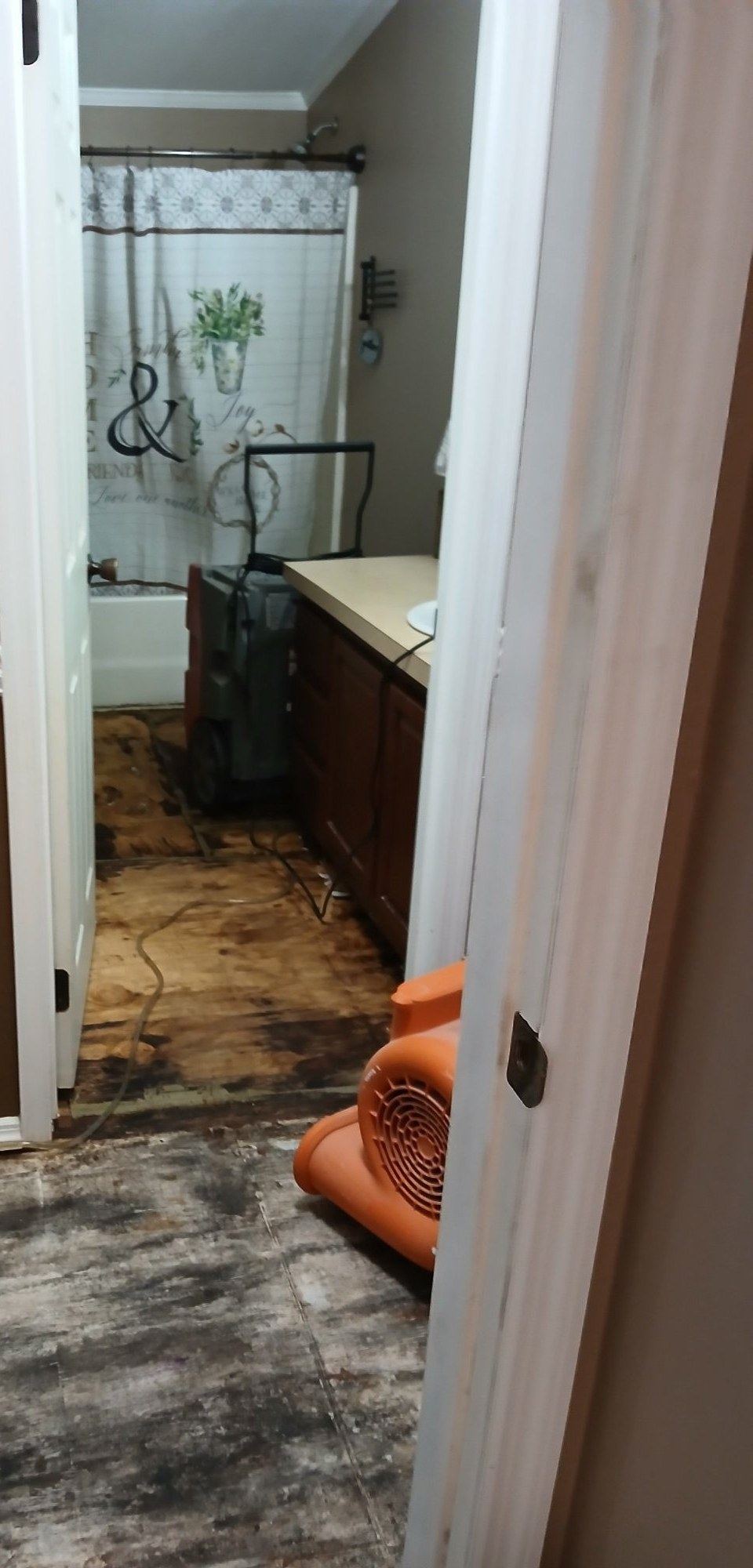
Water damage repair and rebuilt kitchen and bath in Crosby
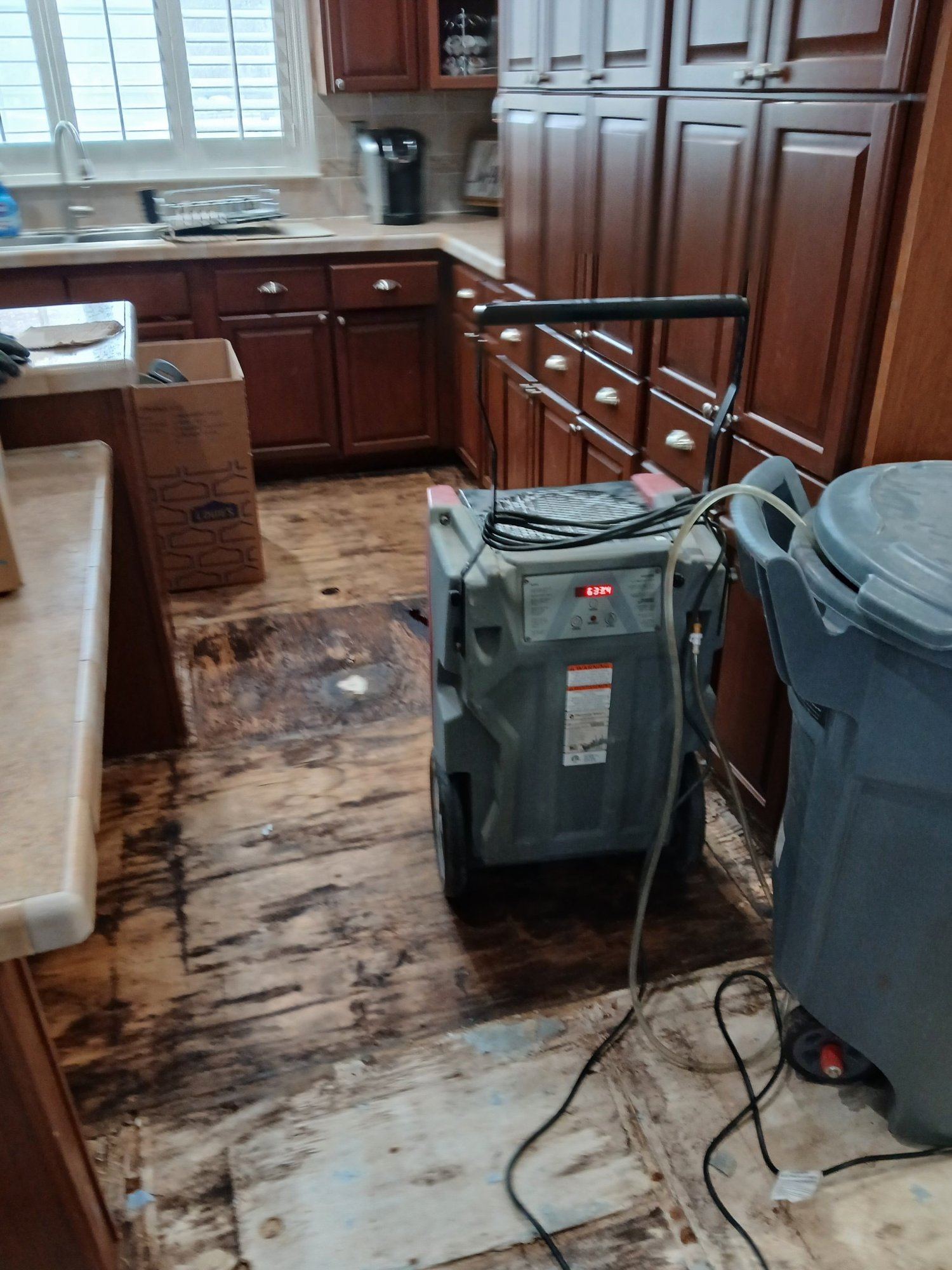
Water damage repair and rebuilt kitchen and bath in Crosby
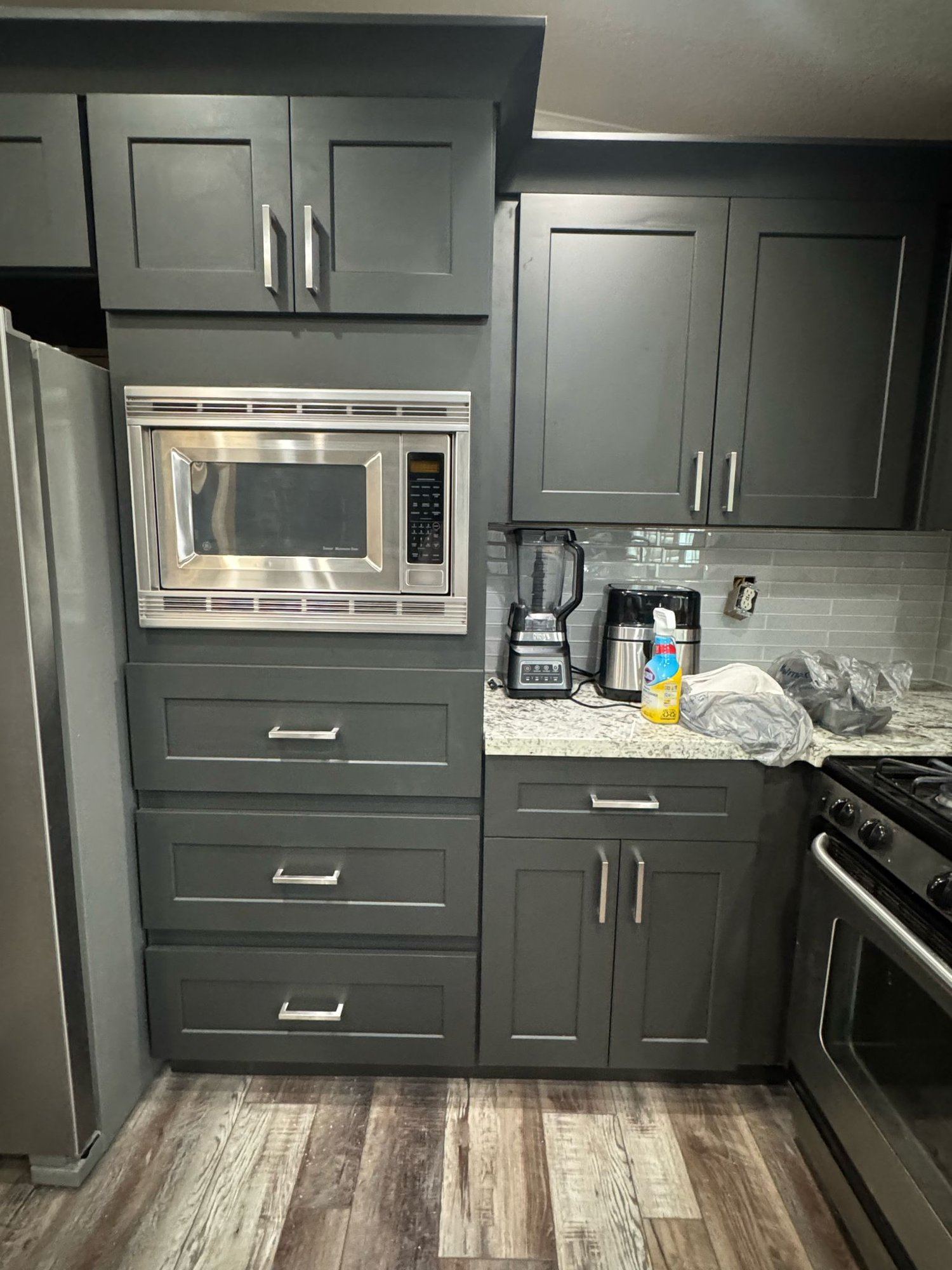
Water damage repair and rebuilt kitchen and bath in Crosby
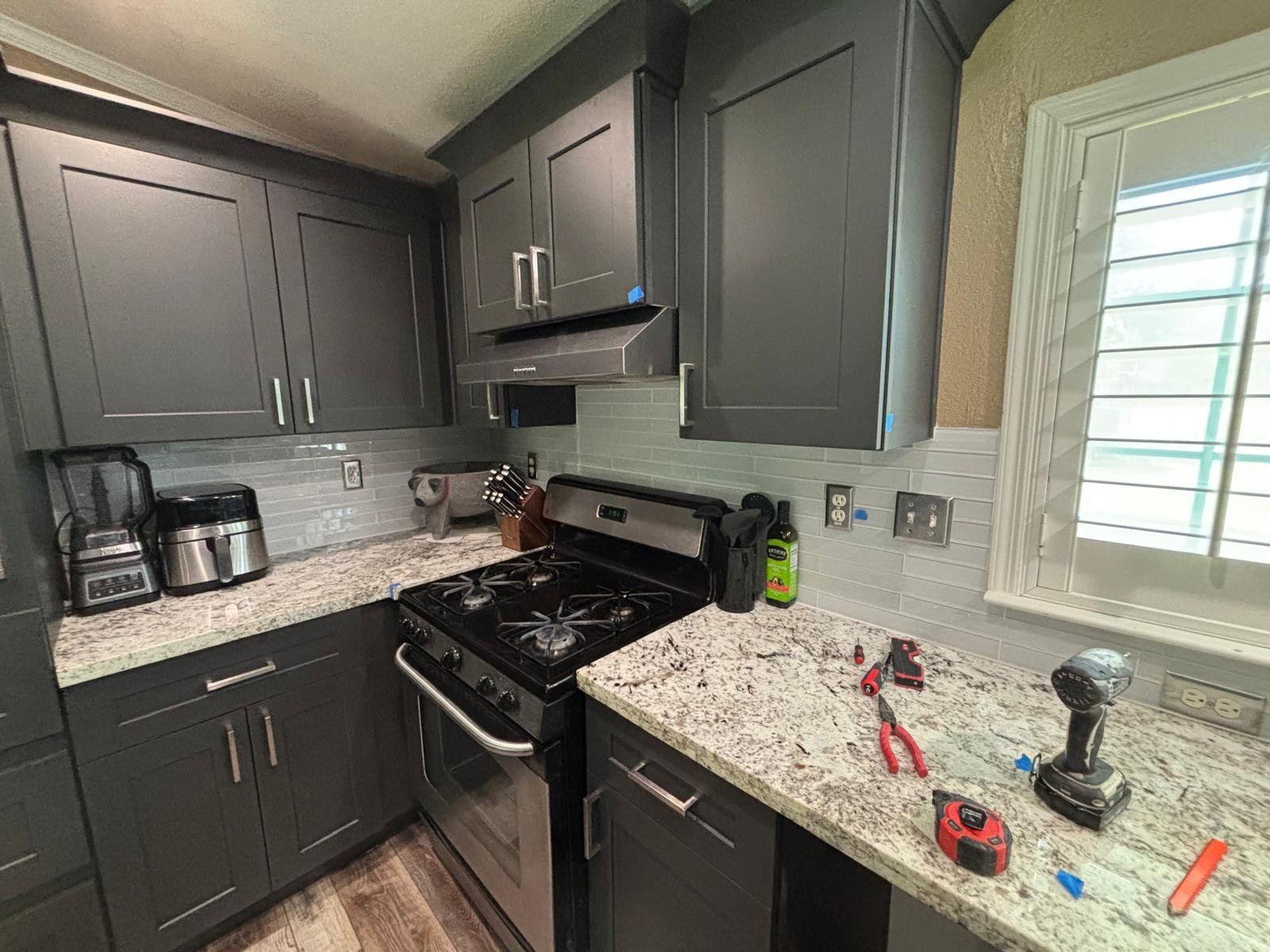
Water damage repair and rebuilt kitchen and bath in Crosby
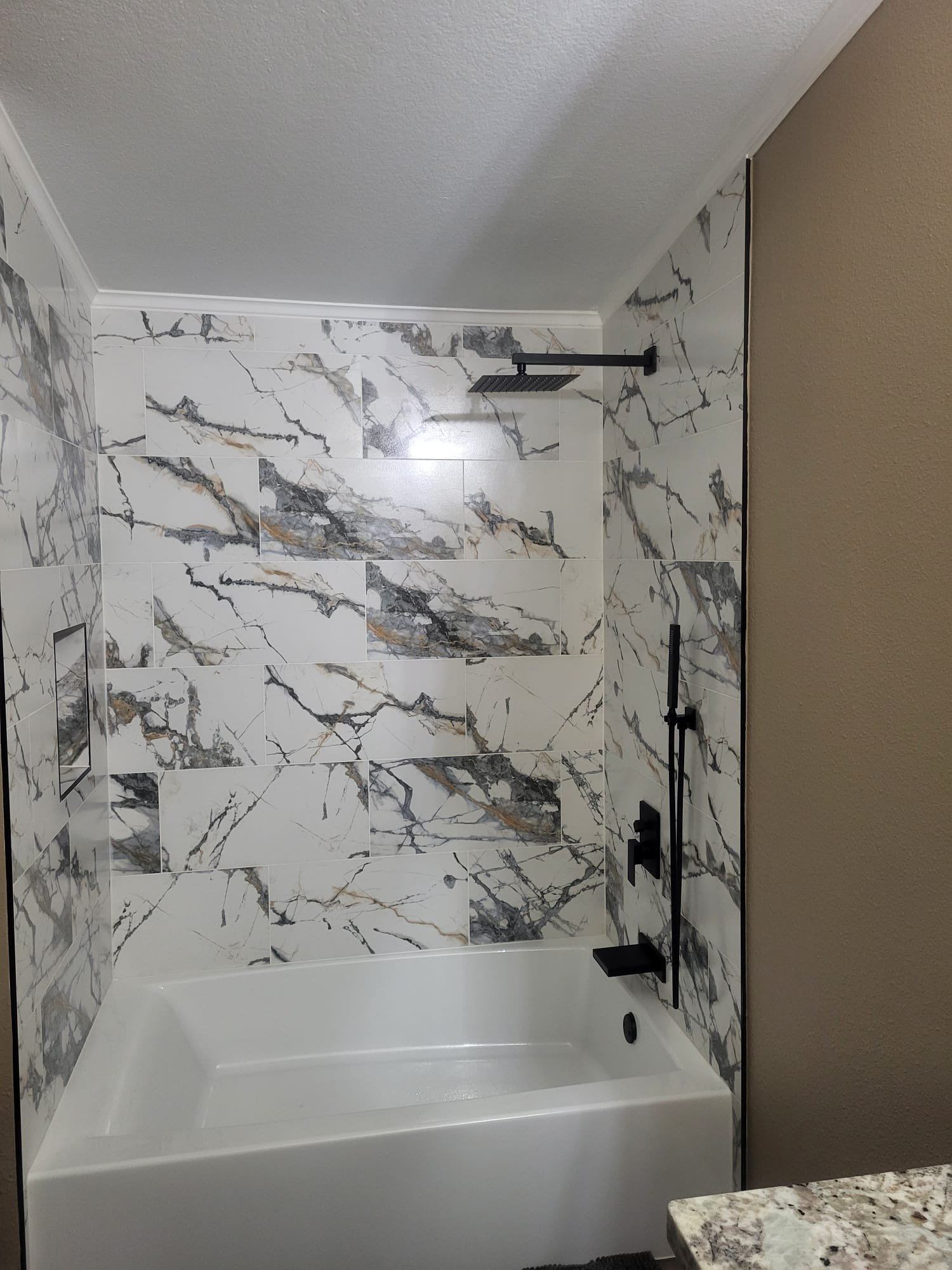
Water damage repair and rebuilt kitchen and bath in Crosby
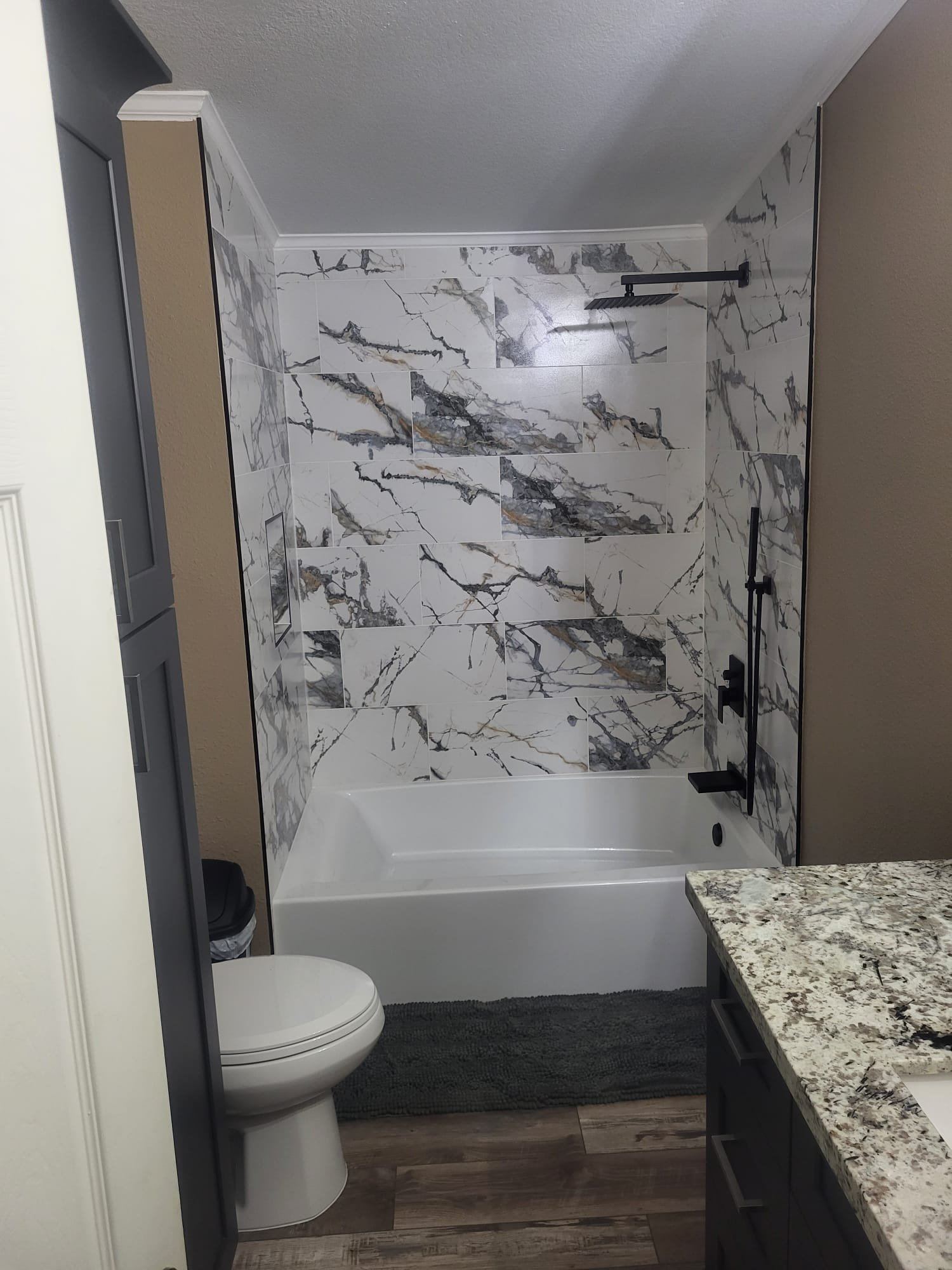
Water damage repair and rebuilt kitchen and bath in Crosby
Questions
Good to know.
Can you replace a backsplash without replacing my countertops?
Usually, yes. We remove the old tile carefully and protect the counters and cabinets. The condition of the wall behind the tile can change the job.
Do you do herringbone, chevron and geometric layouts?
Yes. Those patterns need a planned layout. We mock them up so the repeat centers on the range, the window or the hood.
Which tile works on a short kitchen wall?
Chevron, herringbone and geometric tile all can. On a short Heights or West University wall we plan the repeat so the end of the wall gets a clean cut, and the pattern centers on the range or the hood.
Can a backsplash be part of a larger remodel?
Yes. It is often the last visible layer of a kitchen project, set after the counters are measured so the tile meets the stone cleanly.
Do I need to be home while the backsplash goes up?
Someone should be there at the start so we can confirm the layout in the real light. After that, many jobs can run while you are at work if we can lock up. Outlets and the range hood are the spots that need a look before we cover them.
How long does a backsplash take?
A straight ceramic wall is often a day or two once the tile is on site. A pattern, a stone, or a wall that is out of plumb takes longer. We will not lock a day count until we see the kitchen. Grout needs time before you splash it.
Will steam and tomato sauce stain the grout?
They can. A kitchen backsplash is wiped every day in Houston humidity. We talk about a grout you can clean, and a sealer when the material needs one. Glossy tile shows grease. Matte tile shows the wave in an old wall.
Can you tile around the outlets without moving them?
Often, yes. The plates come off and the tile is cut to the box. If an outlet sits in the middle of a pattern you care about, moving it is electrical work and may need a permit. We say which one it is before we cut.
What if the wall is wavy?
Older Heights and Bellaire kitchens often are. Large glossy tile will show every dip. We flatten the wall first, or we pick a tile that forgives it. Skipping that step is how a backsplash looks crooked in the afternoon light.
Should the backsplash wait until the counters are in?
Yes, on a remodel. The stone is scribed to the wall. Tile set first leaves a gap the counter cannot close. A backsplash-only job on counters that are already in is different, and we protect the stone.
Is a permit part of a backsplash?
Tile on a sound wall usually is not. Moving plumbing or wiring behind it can be. The City of Houston, Bellaire, and a county address are not the same counter. We say which case the plan is.
Can you replace a few cracked tiles?
Sometimes, if the same tile still exists and the wall behind it is sound. A leak that cracked the tile is a drying job first. A patch that cannot be matched is an honest conversation before we start a full wall.
Can you set a backsplash without replacing the counters?
Usually, yes. We protect the stone and the cabinets. The condition of the wall, and whether the old tile comes off cleanly, can change the job.
What does a Houston backsplash usually cost?
A standard-height ceramic or porcelain wall often plans around $800 to $2,500. Patterned tile, stone, or full height often plans around $2,500 to $7,000. Those are planning ranges, not a quote.
Why does the pattern need a center point?
On a short wall the repeat is the whole view. We center it on the range, the hood, or the window so the cuts land where they look intended.
Should the wall be waterproofed?
A kitchen backsplash is not a shower. It still needs a sound wall, and a wet area at the sink is detailed so water is not trapped. A shower is a different assembly, and we will say so.
What does a Houston backsplash typically cost?
Regrouting and sealing an existing field often plans at $400 to $1,200. A ceramic or porcelain run on a typical kitchen wall often plans at $1,200 to $3,500. Stone, glass, or a complex pattern often plans at $2,500 to $6,000. Those are typical planning ranges, not a quote.
Do I need a permit for a backsplash?
Replacing tile and leaving the outlets where they are is usually a finish. Moving outlets or adding circuits is electrical work, and that is when a permit is more likely. We say which one the plan is.
Can you center a pattern on a short Heights wall?
Yes, and that is the reason for a dry layout. A short run between a window and a cabinet will show a bad cut immediately. We place the repeat on the hood or the range so the ends are deliberate.
Will Houston steam stain the grout?
It will stain a grout and a stone that were not chosen for a working kitchen. We pick grout width, grout type, and a sealer for the tile you want, and we tell you what still has to be wiped up the night you cook.
Often paired with
Greater Houston
Areas we serve
Backsplash is scheduled from our office in west Houston (77082). The closest neighborhoods have their own pages. Every community below has a page for this service.
- Meyerland
- Montrose
- Garden Oaks
- Oak Forest
- Kingwood
- Cypress
- Spring
- Humble
- Friendswood
- Tomball
- Missouri City
- Fulshear
- Copperfield
- Rosenberg
- Jersey Village
- Towne Lake
- Bridgeland
- Sienna
- Houston
- Westchase
- Alief
- Energy Corridor
- Katy
- Sugar Land
- Bellaire
- Memorial
- Spring Branch
- The Heights
- River Oaks
- West University
- Galleria Area
- Upper Kirby
- Rice Village
- Medical Center
- Bunker Hill
- Piney Point
- Hunters Creek
- Bear Creek
- Cinco Ranch
- Stafford
- Richmond
- Pearland
- Clear Lake
- Baytown
- Galveston
- Texas City
- The Woodlands
- Magnolia
Planning backsplash?
Serving Houston since 1993. Call (713) 909-0034 to schedule an estimate.