
Recovery
Houston Painting & Drywall Repair
The color and the smooth walls that finish a remodel.
Family-owned in Houston since 1993. Call (713) 909-0034 to schedule an estimate.
The work
About Painting & Drywall Repair
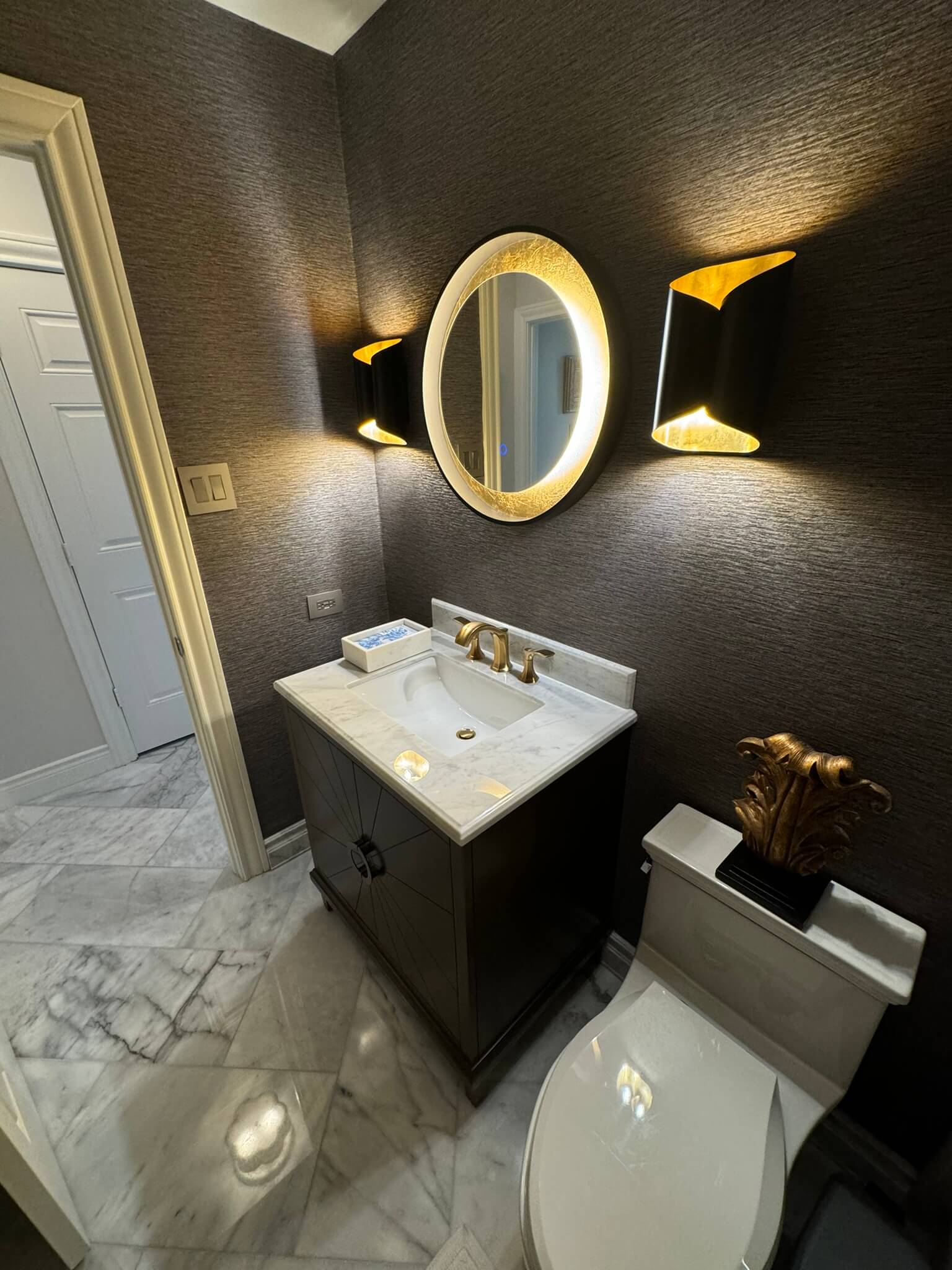
Paint is how a Houston remodel actually finishes: new drywall in a kitchen, a patched wall in a living room, a powder room taken to a deeper color. The repair has to disappear, and the paint has to sit on a solid surface.
We patch or replace drywall, prime, and paint, then clean up. Texture is blended so the new work meets the walls already in the house.
Paint is the last surface, and it shows every shortcut in the drywall under it. A patch in a textured Houston wall has to be feathered until you cannot find the edge in a raking light. A new kitchen or bath is painted as a room, not as a stripe around the new work, or the sheen will give the remodel away.
If the wall was opened because of a leak, it is confirmed dry before it is closed and painted. Paint over damp paper blisters. We will not “seal it in” and hope the air conditioning hides it.
What is included
- Drywall patching and replacement
- Texture blending
- Priming
- Interior painting
- Cleanup
Related guides
Built for Houston
The finish you notice when the work is done.
New drywall and paint are what make a kitchen, a bath or a living room feel done. In Heights, Bellaire and West University houses that often means blending into texture and trim that were already there.
We patch, prime and paint so the new work disappears into the room. Color is matched to the walls around it. If a wall was opened because of a leak, we make sure it is dry before we close it. That check is just part of the job.
Older houses in the Heights, Bellaire, and West University often have texture, or plaster that meets newer drywall in the same room. The blend is the repair. Newer houses in Katy and The Woodlands are often a smoother finish, and a bad patch still shows because the light from a big window is unforgiving. Humidity also means a new coat wants a dry substrate and a realistic dry time. A shower of rain outside does not dry the inside of a wall.
01
New walls in a remodel
Drywall after cabinets, tile or a layout change is taped, primed and painted with the rest of the room.
02
Color and sheen
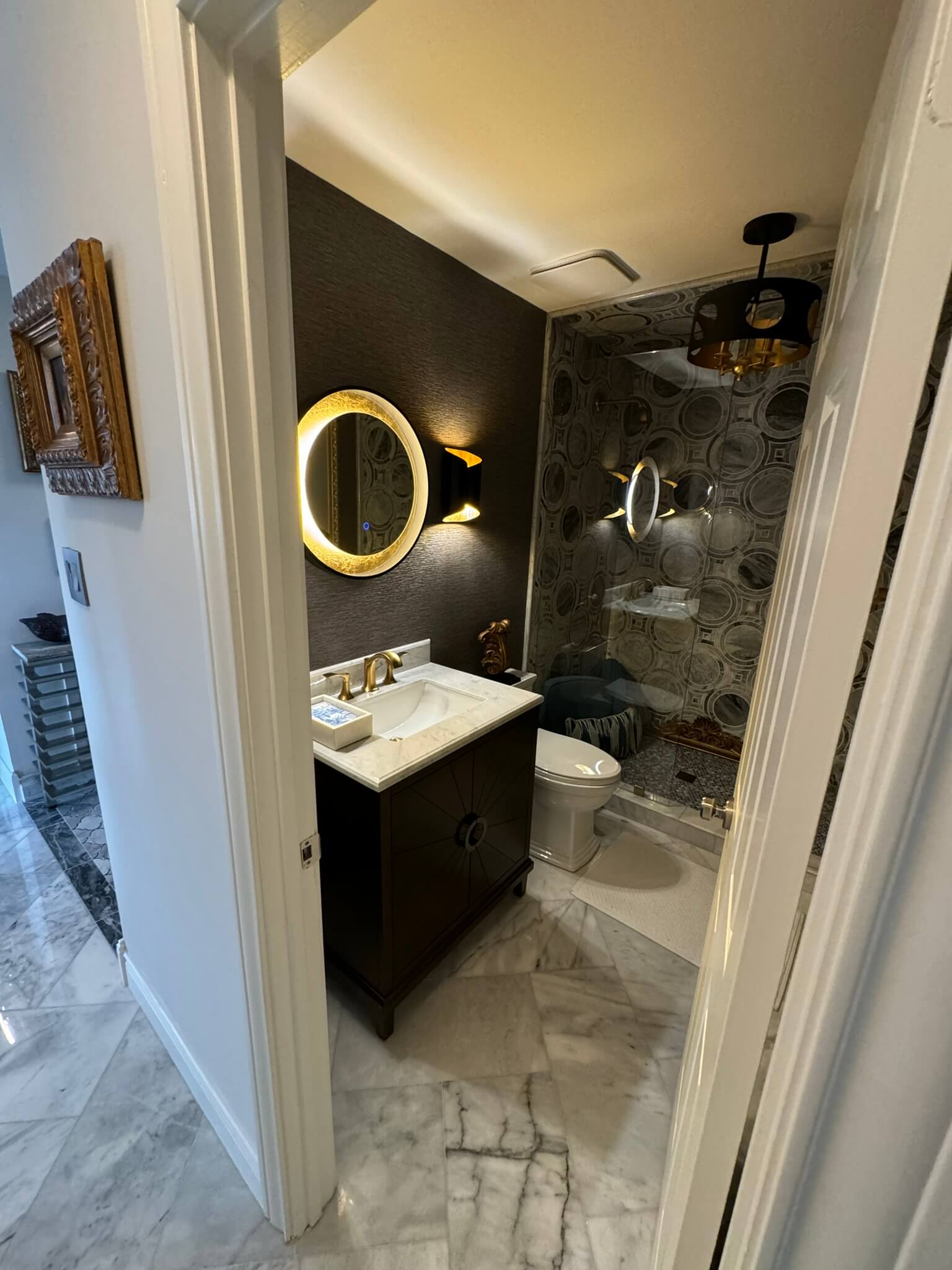
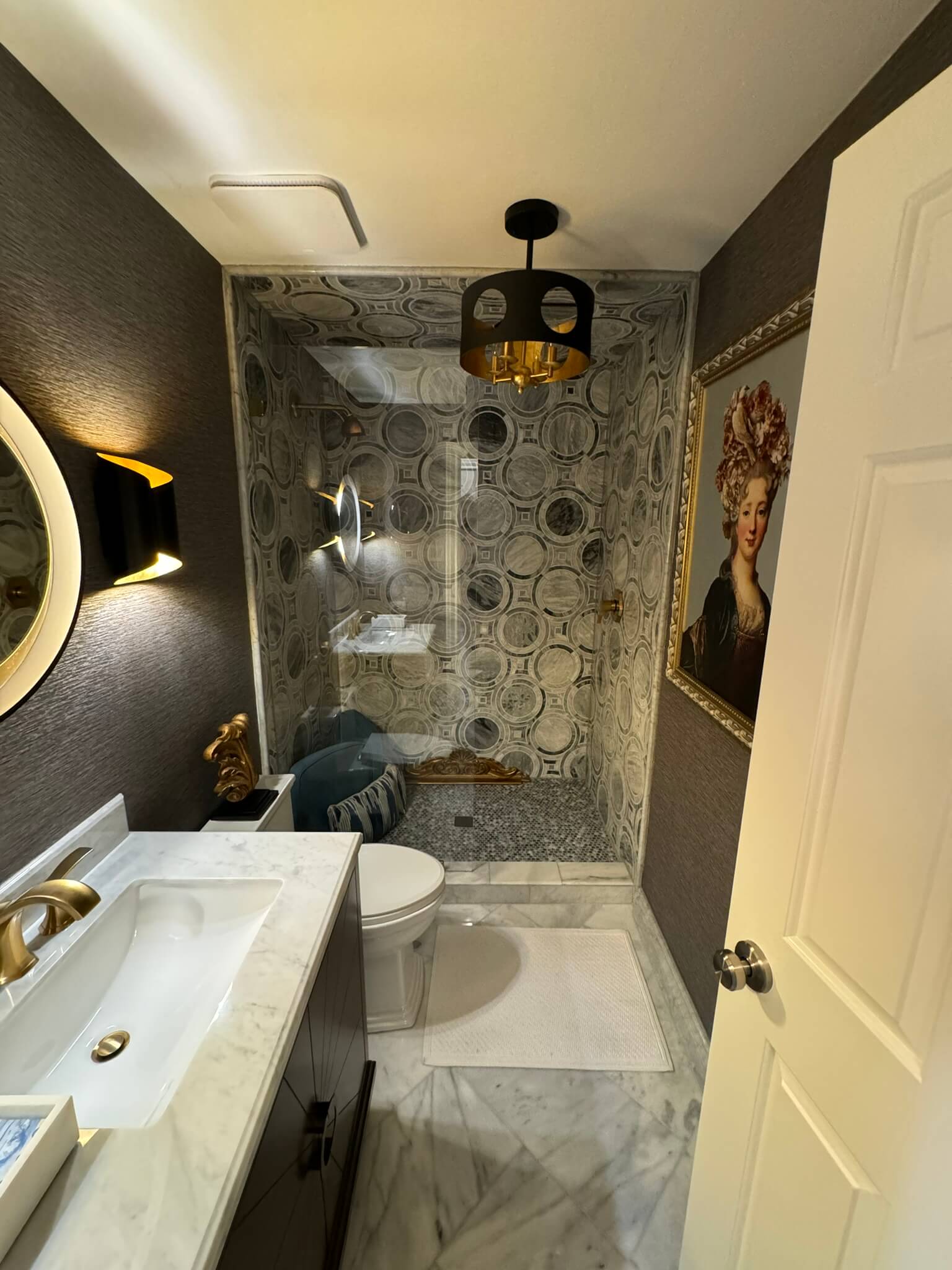
A powder room can take a deeper color. A patched living room usually wants the paint that is already on the wall, carried far enough to blend.
03
Texture that matches
Many Houston walls are textured. We blend the patch into that surface so the paint has one plane to cover.
In and around
The Heights · Bellaire · West University · Memorial · Rice Village · Upper Kirby · Spring Branch · Galleria Area
Houston
Texture, humidity, and a wall that was wet.
The color is the easy choice. The surface under it, and whether that surface is dry, is the work.
Texture that has to disappear
Many inside-the-Loop walls are textured. A smooth patch in the middle of that texture reads as a rectangle forever. We match the texture and feather the compound. Plaster is treated as plaster, not as a drywall patch with extra mud.
Humidity and cure
Primer and paint need a dry wall and enough time. In a Houston summer the air is wet even when the room is air-conditioned. We do not stack coats because the schedule is tight, and we do not paint a bathroom that is still steaming from a leak that was never dried.
After water
The cut line in the drywall should be above the wet paper, the cavity should be dry, and the new board should be taped and primed like any other wall. Painting the stain is how the stain returns. If we did not do the dry-out, we still meter before we close.
Permits
Interior paint and drywall repair are finishes. They do not usually need a permit and they are not an HOA review. If the wall is open because of structure, plumbing, or electrical, that other trade is the permit question. We do not bury that work in a paint scope.
How it goes
What to expect, step by step.
- 01
See the wall
We look at the damage, the texture, and whether the wall is dry. A leak stain and a scuffed corner are different repairs. Older plaster is different from modern drywall.
- 02
Confirm it is dry
If water opened the wall, we check the moisture before we close it. Paint over a damp stain seals the problem in. The wall dries first, even when the calendar is tight.
- 03
Patch or hang
Small damage is patched and feathered. A large area, or drywall that came out in a dry-out, is hung, taped, and finished to the level the room needs.
- 04
Texture
Houston walls are often textured. The patch is blended into that texture so the paint has one surface. A smooth patch on a bumpy orange-peel wall will show.
- 05
Prime and paint
Primer, then paint, in the sheen the room needs. A spot repair is carried far enough to blend. A whole room is painted when a spot would flash.
- 06
Clean and walk
We pick up the work and look at the wall in the light you live with, including the low light from a window that shows every ridge.
On the job
How the work moves.
01
Consult
We look at the wall in the light you live with. You say whether this is a patch, a room, or the finish of a remodel. If there is a stain, we ask what leaked and we check whether the wall is dry.
02
Plan
The texture, the primer, the sheen, and how far the paint has to carry to blend are decided. A small patch may need paint onto the surrounding wall. A remodeled kitchen usually wants the whole room so the color matches.
03
Prepare
Furniture and floors are protected. Loose texture and a glossy surface are dealt with so the new coat has something to hold. Wet drywall is dried or replaced first. We do not mud over a damp cavity.
04
Build
The patch is taped, floated, and textured to the surrounding wall. New board in a remodel is finished to the same standard as the patch, because you will see them in the same light. Primer goes on the repairs before the color.
05
Finish
Color and sheen are applied and cut in cleanly at the trim and the ceiling. We look at the wall from the side, where a proud patch shows. Touch-ups happen before the cloths come up.
06
Walk through
We walk the walls with you in daylight and with the lights on. You see the blend. We clean up. If a spot needs another touch after the paint has sat, we would rather see it with you than hear about it as a surprise.
Signs
Signs the wall needs more than a gallon of paint.
You can see the old patch
A hard edge, a smooth island in textured paint, or a flashing spot in raking light means the repair was not feathered. Paint color will not hide the shape. The mud has to be redone.
The stain keeps coming through
A water stain that returns is either still wet or it was never primed for the stain. We find out which. More of the same paint is not a diagnosis.
The remodel looks unfinished
New drywall around cabinets or a shower, with the old color stopping in a line, reads as incomplete. The room is painted as a room once the other trades are out.
Cracks at the doors after a dry summer
Houston clay movement shows up as cracks at corners and above doors. Some are a finish repair. Some are the foundation still moving. We will not keep coating a crack that is opening because the slab is moving without telling you that paint is not the fix.
Materials
Board, mud, primer, and paint.
The finish you see is the last layer. The board, the tape, the texture, and the primer are why it either disappears or photographs badly.
Drywall and plaster
New board for what was cut out, taped and floated. Plaster repairs stay in the plaster system when that is the wall. Mixing the two without a plan is how the joint cracks. We match the wall we are in.
Texture
Knockdown, orange peel, and a heavier hand texture are all in Houston houses. The match is done in a test spot when the pattern is hard to read, then carried across the patch. Smooth walls get a smooth finish, feathered wide.
Primer
New drywall, a patch, and a water stain each want primer before color. A stain that bled through once will bleed through the new color if this step is skipped. Primer is not a place we save a coat.
Sheen and color
A powder room can take a deeper color. A living-room patch usually wants the paint already on the wall, carried far enough that the sheen matches. Flat, eggshell, and semi-gloss fail differently in side light. We match the sheen that is there unless you are repainting the room.
Cost
What painting and drywall tend to cost.
A single patch and a whole interior are different products. Texture matching and ceiling height add time. These ranges are interior work. They do not include a dry-out, and they do not include exterior paint.
- A drywall patch and paint blend$300 to $900
- One room, walls$450 to $1,400
- Several rooms after a remodel$2,000 to $6,000
- Interior walls of a typical house$3,500 to $9,000
These are typical planning ranges for interior painting and drywall repair in Greater Houston, not a quote. The size of the job, the materials, and what we find at the house move the number. The price comes from an on-site estimate. Call (713) 909-0034.
Patch or room
A small blend is labor and a little paint. A room is protection, prep, and walls. A whole house is days, not a bigger patch.
Texture and plaster
A smooth wall is simpler to feather than a heavy texture or old plaster. Matching is the skill and the time.
Whether the wall is wet
Paint over a dry repair is this scope. Cutting out wet drywall, drying the cavity, and then painting is a restoration plus this finish. We do not hide the first inside the second.
Insurance
Paint is not the documentation.
If the wall is being repaired after a leak, the photos that matter were taken when it was wet and when it was opened. The paint is the last visible step. We can include the repair in the scope you share with your insurer. The color you pick is not a coverage question.
We photograph the conditions and the scope of the work. We send our estimate to your insurance company for approval and work it out with the adjuster. We are not public adjusters. Your insurer decides coverage and payment.
Signs
Signs the wall needs more than a gallon of paint.
Paint is the last step when the surface is sound. It is the wrong first step when the drywall is soft, the tape is bubbling, the texture is missing in a patch, or a stain keeps bleeding through. After a kitchen or a bath remodel, the new drywall is unfinished until it is taped, textured, primed, and painted with the room. After a water loss, the same steps wait until the cavity is dry.
Hairline cracks that come back in the same place on a slab house are often the soil moving, not a painter who missed a coat. We can make the wall look right. Paint will not stop the foundation from moving. A door that suddenly will not close is a clue to mention, not a little sanding job.
01
The stain returns
A water stain that comes through new paint was not dry, or it was not primed for the stain. We find out which before a third coat.
02
Texture that does not match
A smooth float on a textured wall reads as a patch in daylight. Blending is the repair. Painting alone is not.
03
After the remodel
A new ceiling, the drywall around the windows, and patched outlets are what make a finished kitchen look unfinished. They are part of closing the project.
Materials
Board, texture, primer, and shine.
Drywall, tape, and joint compound are the body of the repair. The texture is what makes it disappear: orange peel, knock-down, or a smooth wall where the house is actually smooth. A lot of Heights, Bellaire, and West University interiors are textured, and some are plaster. Plaster is patched as plaster, not buried under a thick coat that cracks off. Primer is chosen for the stain and for new compound, which shows through if you paint it raw.
Shine is a practical Houston choice. Flat hides more and marks more. A shinier paint in a bath or a kitchen cleans and shows every ridge. Color is matched to the wall you have when the job is a blend, and carried to a corner or a whole room when a spot would show. A one-pint touch-up rarely disappears on a wall that has faded for a decade in a south window.
01
Blend past the damage
A hard edge of compound shows through paint. The repair is blended wide enough that the eye cannot find the border.
02
Bath and kitchen paint
Wet rooms want a paint that can be wiped. A flat ceiling paint on a bath wall is the wrong product. We match the paint to the room.
03
Ceilings
A ceiling stain from a roof or a bath above is primed for the stain and often painted past the spot, because ceiling paint shows a patch under window light.
Cost
A patch, a room, or the drywall after a loss.
As a planning range, not a quote, a small patch blended and painted often falls around a few hundred dollars to about $1,500. Painting a whole room, with ordinary prep, often plans around $800 to $3,000. Replacing drywall in several rooms after a water loss, before paint, often plans around $2,500 to $10,000, and it waits on drying. Texture, ceiling height, plaster, and how much furniture has to move are the usual adders. A full interior repaint of a large house is not these bands. We price the walls you point at.
If the drywall is coming out because of a leak, the painting is the end of the restoration, not a separate decorating project, unless you are changing color across rooms that were never wet. We will label it that way. Your insurer decides what is paid. We decide when the wall is dry enough to close.
01
Blend versus repaint
A spot repair is cheaper and only works when the color and the texture can disappear. Faded paint usually wants the whole wall or the whole room.
02
Plaster
Older plaster takes a different repair from a half-inch board. It is slower. The price should say so instead of treating every wall as new drywall.
03
After water
The dry-out is not in the paint price. Closing a wet wall is not a savings. We sequence them.
Houston
Humidity, light, and walls that move.
Interior paint still cares about humidity. A wall that is damp will not take a finish, and a house left open to August air is a poor place to cure paint. We paint in a closed, conditioned house. Baths that do not exhaust outdoors put moisture back into the ceiling we just painted. If the bath is in the project, the fan is part of the reason the ceiling failed, and it belongs in the conversation.
West light in a Houston afternoon shows every ridge in a ceiling. We look at the repair in that light, not only under a work lamp. Seasonal cracks on slab houses in Katy and newer subdivisions, and racked trim in pier-and-beam bungalows, are the structure moving on clay. We can retape and repaint. We will tell you if the crack is a pattern that has come back because the soil moved, so you are not surprised when a hairline returns in the next dry summer.
01
Dry the stain first
If the ceiling stain is from a roof leak or a bath above, the source and the dryness come first. Paint is the last coat.
02
Color that has faded
South rooms fade. A careful match to a chip from the can may still flash. Painting to a break in the wall is the usual fix.
03
With the other trades
After cabinets, tile, and floors, paint is what makes the remodel look finished. We schedule it when the dust of those trades is actually done.
Questions
Good to know.
Will the repair be visible after painting?
A good repair should disappear. We soften the edges, prime and paint so the patch blends into the wall, including textured Houston interiors where a hard edge would show.
Do you paint whole rooms, or only the patched wall?
Both. A small patch is blended and painted so it disappears. A kitchen, bath or living room that changed is usually painted as a whole so the color and sheen match.
Can you match texture in an older Houston house?
Yes. Many Heights, Bellaire and West University walls are textured or meet older plaster. We blend the patch so the paint has one plane to cover.
Can you paint as part of a kitchen or bathroom remodel?
Yes. Once the drywall and tile are finished, interior paint is part of closing the project, matched to the rooms around the work.
Do I need to be home while you paint?
Someone should confirm the color and let us in. You do not have to stay for every coat. Pets should be out of the room. If you are sensitive to paint smell, tell us which rooms you need that night. We leave a path through the house when we can.
How long before furniture can come back?
When the paint is dry to the touch is not always when it is ready for a bookcase. We tell you the wait for the product we used. Houston humidity slows some paints. Dragging a sofa across a soft wall is how the repair shows up again.
Can you paint on a humid Houston day?
Interior paint, yes, if the wall is dry and the house is conditioned. We do not paint a damp stain to hide it. Exterior paint waits on weather. Hurricane-season rain is a reason to pause an outside wall, not a reason to trap water in it.
What if the stain is from a leak that is still wet?
We do not paint it yet. The leak stops, the wall dries, and the moisture readings have to support closing it. Paint over a wet patch comes back. If this started as water damage, drying is the first trade.
Do you paint the outside of the house?
This page is interior paint and drywall repair, the finish after a remodel or a patch. Exterior siding and paint on the street are a different job, and an HOA may review that color. Ask us which one you need so we do not mix them.
Will new paint match a sun-faded wall?
A small patch often needs paint carried far enough to blend. A south-facing wall that has faded will not match a fresh quart in the middle of the room. We say when the honest fix is the whole wall. Texture has to blend first or the paint will outline the patch.
Is a permit needed for interior paint?
Paint and a small drywall patch usually are not. Rebuilding a wall that was opened for a plumbing repair can sit next to a permit that belongs to the plumbing. We do not pull a permit for a color change.
Can paint close both a remodel and a dry-out?
Yes, when the wall is ready. A kitchen remodel and a water repair can both end in paint. The dry-out has to finish first. We do not use paint to skip a wet wall. Color is the last visible step, not the drying method.
Will I see the patch after it is painted?
A good repair is blended wide, textured to the wall, primed, and painted far enough to blend. A hard-edged patch on a textured Houston wall will show. We blend until the edge disappears.
What is a planning range for paint and drywall?
A small blended patch often falls around a few hundred dollars to about $1,500. A room often plans around $800 to $3,000. Drywall replacement in several rooms after a leak often plans around $2,500 to $10,000 before paint. Those are planning ranges, not a quote.
Can you match texture in an older house?
Yes. Many Heights, Bellaire, and West University walls are textured or plaster. We blend the patch into that surface. One smooth spot on a bumpy wall is not a match.
Can you paint right after a water-damage repair?
After the readings say the wall is dry, and after the source is handled. Paint on a damp wall traps moisture. We wait until the meter says dry, not until the calendar does.
What does drywall repair and painting typically cost in Houston?
A patch and a paint blend often land at $300 to $900. One room of walls often plans at $450 to $1,400. Several rooms after a remodel often land at $2,000 to $6,000. Interior walls of a typical house often land at $3,500 to $9,000. Texture, plaster, and tall ceilings move the number. These are typical planning ranges, not a quote.
Will you paint a wall that was wet?
After it is dry, and after the wet board is gone. We meter. Paint over damp drywall blisters, and in this humidity it does not get a second chance to dry behind the film. If the dry-out is not done, that is the first scope.
Do I need a permit or HOA approval to paint inside?
Interior painting and drywall repair are finishes. They almost never need a city permit, and an HOA does not review the color inside the house. Exterior color can be an HOA review in a master-planned community. This page is the interior work.
From the blog
Often paired with
Greater Houston
Areas we serve
Painting & Drywall Repair is scheduled from our office in west Houston (77082). The closest neighborhoods have their own pages. Every community below has a page for this service.
- Meyerland
- Montrose
- Garden Oaks
- Oak Forest
- Kingwood
- Cypress
- Spring
- Humble
- Friendswood
- Tomball
- Missouri City
- Fulshear
- Copperfield
- Rosenberg
- Jersey Village
- Towne Lake
- Bridgeland
- Sienna
- Houston
- Westchase
- Alief
- Energy Corridor
- Katy
- Sugar Land
- Bellaire
- Memorial
- Spring Branch
- The Heights
- River Oaks
- West University
- Galleria Area
- Upper Kirby
- Rice Village
- Medical Center
- Bunker Hill
- Piney Point
- Hunters Creek
- Bear Creek
- Cinco Ranch
- Stafford
- Richmond
- Pearland
- Clear Lake
- Baytown
- Galveston
- Texas City
- The Woodlands
- Magnolia
- Copperfield
- Rosenberg
- Jersey Village
- Towne Lake
- Bridgeland
- Sienna
- Cypress
- Spring
- Missouri City
- Fulshear
- Tomball
- Kingwood
- Humble
- Atascocita
- Friendswood
- League City
- Conroe
- Meyerland
- Montrose
Planning painting & drywall repair?
Serving Houston since 1993. Call (713) 909-0034 to schedule an estimate.