
Roof & exterior
Houston Emergency Roof Tarping & Repair
When water is getting in, the first job is to stop it.
Family-owned in Houston since 1993. If water is still coming in, call (713) 909-0034.
Houses, businesses, and apartments
The same crew for a house, an apartment complex, or a storefront.
Elite Restorations does emergency storm and water-damage work for homes, businesses, and apartment complexes across Greater Houston. Property managers, homeowner associations, and building owners can call (713) 909-0034 any time while the emergency is still going. Our office in west Houston (77082) is open Monday through Saturday, 8:00 AM to 6:00 PM, for a visit you schedule.
Storm help for businesses and apartmentsInsurance claim help
We help you with your insurance claim
Elite Restorations helps Houston homeowners, property managers, and building owners document storm and water damage and keep the repair moving. We photograph the damage and do the work you hire. We are not public adjusters. Elite works with your insurance company as your contractor, documents the damage, and negotiates the claim scope with the adjuster. We do not give legal advice, and we cannot promise that a claim will be approved or paid. Your insurer decides coverage. Check your policy.
The disasters we document most often
Flooding
Water that rises from the street, a bayou, or a reservoir is often a different policy from a homeowners or dwelling policy. We photograph where the water entered and how high it went. We write that down as rising water. Check your policy before treating it as a plumbing break.
Hurricanes
After a hurricane we help secure openings, photograph the roof and the wet rooms, and write down the drying and the repair. Hurricane season on the Gulf runs June 1 through November 30. Any notice deadline is in your policy. Ask your insurer what yours says.
Hail
Hail bruises roofs and can crack skylights and light fixtures. We photograph the roof and any water inside before a cover hides the opening, then help with a repair estimate. Your insurer decides what is hail and what is ordinary wear.
Storms and wind
Straight-line wind and severe thunderstorms lift shingles, throw limbs, and drive rain into ceilings from Clear Lake to Katy and The Woodlands. We photograph the opening and the rooms underneath.
Tornadoes
A tornado can take a roof, a wall, or a run of windows. The first work is safety, then photos, then a tarp or board-up when it is safe to do that. We help with the estimate and the repair record. Your insurer decides whether there is a payout.
What we actually do on the claim
- Photograph the damage, including wide shots and close shots, before cleanup when that is safe.
- Emergency work that limits more damage: tarping a roof, boarding an opening, removing water, and drying. Many policies expect you to limit further damage. That work is not a promise you will be paid back.
- Meet the adjuster on site when you want us there, and walk through what we saw of the building.
- Prepare a detailed repair estimate for the construction. The estimate is the price of the work. It is not the claim payment.
- Stay with the repair and share photos and notes with you, so you can share them with the insurer.
The work
About Emergency Roof Tarping & Repair
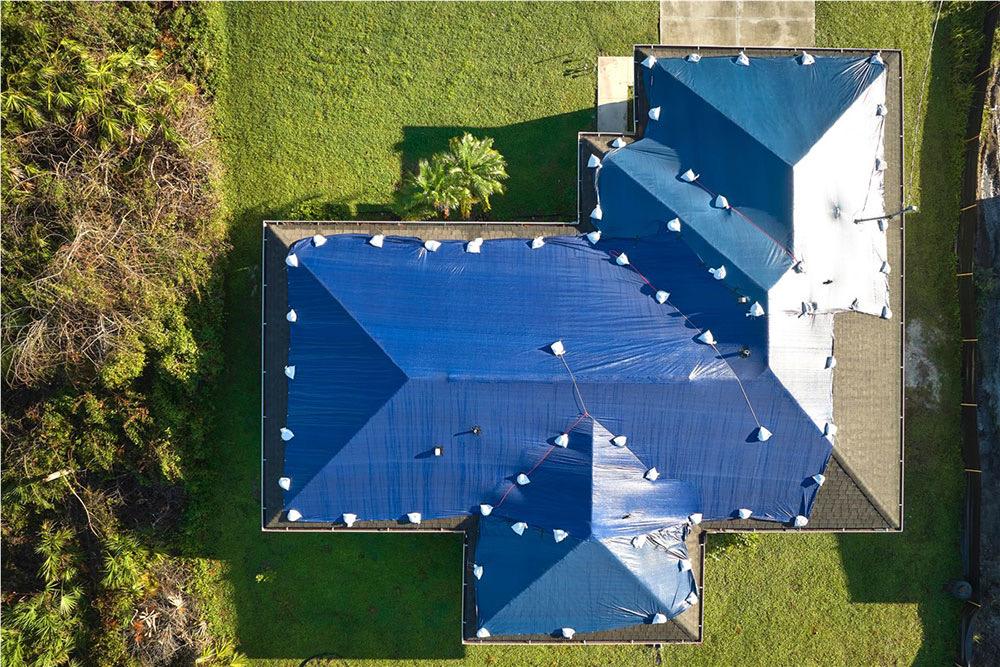
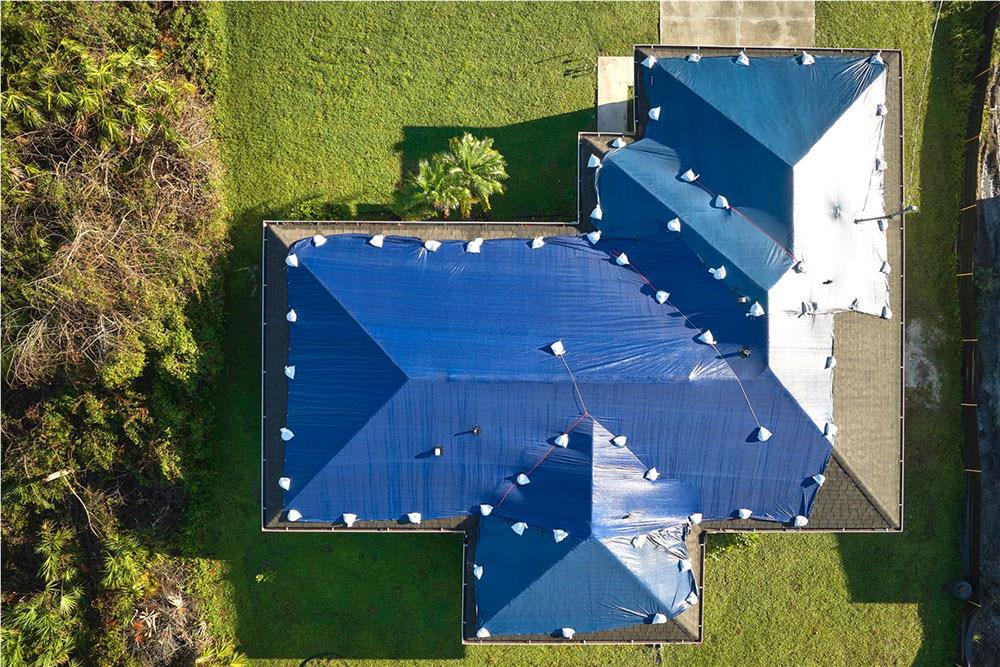
After a Houston storm or a fallen limb, the priority is keeping water out of the house. A properly anchored tarp buys time to plan the permanent repair.
We inspect the damage, photograph it for your records and any claim, tarp the exposed area, and plan the repair once the weather allows a real look at the wood under the shingles.
A tarp is temporary protection. It is not a roof, and it is not a repair you leave through the next season. The job is to stop water, photograph the opening, and anchor the cover so the next wind does not turn the tarp into the problem. The permanent roof is planned after the house is dry enough to think.
We do not climb a roof in an active thunderstorm to prove speed. When it is safe to be up there, we go. If water is already in the ceilings, say that on the call. The tarp stops more water. The insulation and the drywall are a drying job we also do.
What is included
- Safety inspection of the roof
- Photo documentation of damage
- Waterproof tarp installation
- Water diversion
- Planning and coordination of permanent repairs
Built for Houston
The first dry night after a storm.
Hurricane season and the squalls that come with it are a Houston fact. Limbs, lifted shingles and wind-driven rain show up from Clear Lake and Galveston to Katy and The Woodlands, often on roofs that were ordinary the day before.
We get on the roof when it is safe, photograph what happened, and anchor a tarp so the next band of weather stays outside. Then we talk through the permanent roof, with the pictures already in hand.
Hurricane season, June through November, and the squalls that ride with it are when these calls cluster, from Clear Lake and Galveston inland to Katy and The Woodlands. A limb, a lifted slope, or wind-driven rain at a valley is the usual opening. The neighborhoods change. The first night does not: cover the hole, keep the photos, keep the water out of the attic.
01
Storm season
Tropical weather and severe thunderstorms are when most of these calls come in. The job is to stop water, then plan.
02
Photographs first
We document the opening and the surrounding roof before the tarp covers it, for your records and any claim.
03
Wind after the tarp
A loose cover becomes the next problem. We anchor it for the weather still in the forecast, and we say when it needs to be checked.
In and around
Houston · Clear Lake · Galveston · Pearland · Katy · Baytown · The Woodlands · Sugar Land
Houston
Wind after the tarp, and water already inside.
The storm that opened the roof is often not the last band of weather that week. The tarp has to survive what is still in the forecast, and the ceiling may already be wet.
The next wind
A loose tarp becomes a sail. We anchor it for the weather that is still coming, and we tell you when it should be checked. A cover that was fine on a calm morning can lift in the afternoon line. Temporary means temporary, and it also means secure.
Where the water went
An opening in the roof wets insulation, the top of the drywall, and sometimes the rooms two floors down. On a one-story slab house the stain shows at the ceiling. The attic is where the water is sitting. We look at both. Drying does not wait on a convenient week.
Steep and two-story roofs
A low porch and a steep two-story are different tarping jobs. Access, the size of the opening, and how much of the slope has to be covered change the work. We say what we can cover safely.
Photos before the cover
We photograph the opening and the surrounding roof before the tarp hides it, when it is safe to do that. Those pictures are for you. If insurance is involved, we work with your insurance company as your contractor and handle the claim scope with the adjuster. Your insurer decides what the photos mean. The permit, if one is required, belongs to the permanent repair, not to the night we stop the leak.
How it goes
What to expect, step by step.
- 01
Inspect
We check the roof safely and identify where water is entering.
- 02
Document
Photographs capture the damage for your records and any insurance claim.
- 03
Select
We choose the tarp and the size for the opening and the weather.
- 04
Anchor
The tarp is secured so it stays put in the wind.
- 05
Divert
We direct water away from the opening.
- 06
Plan
We outline the permanent repair so you know what comes next.
On the job
How the work moves.
01
Inspect
We check the roof safely and find where the water is entering. Limbs, lifted shingles, and a punctured deck are marked. If the roof is not safe to walk, we say that and we still look for a way to keep the water out.
02
Document
Photographs of the opening, the slopes around it, and any interior stains are taken before the cover goes on. You get a record of what the storm did, not only a picture of blue plastic.
03
Select
The tarp and the size are chosen for the opening and for the weather still forecast. A small puncture and a whole slope that lost its shingles are not the same cover.
04
Anchor
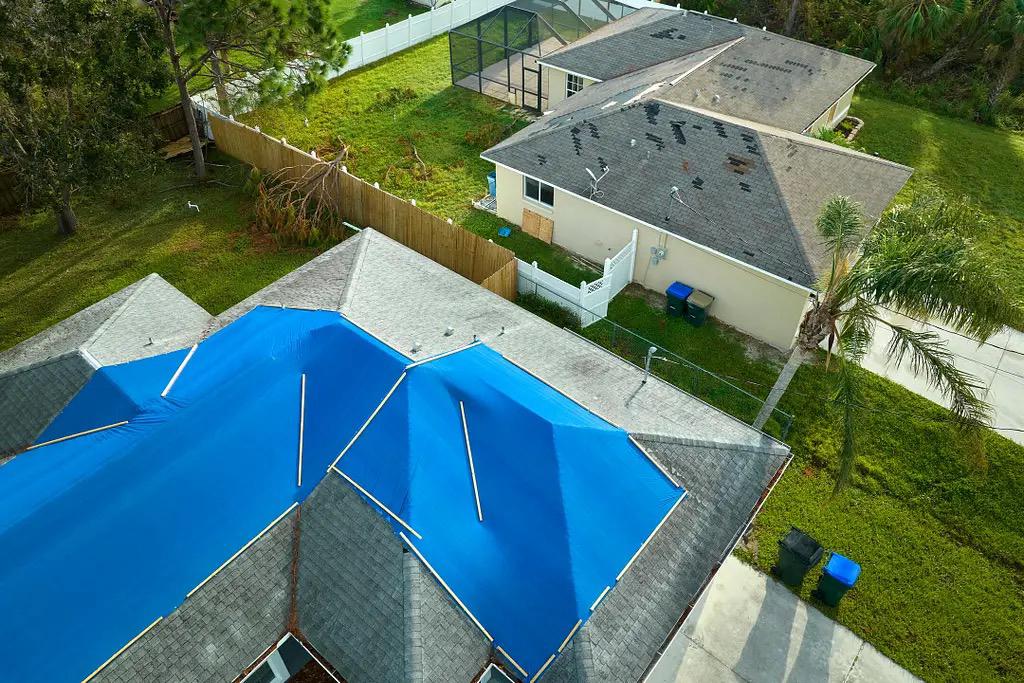
The tarp is fastened so wind will not lift it. Boards or battens, the method the roof and the wind require, are part of the install. A few nails through the middle of a loose sheet is not an anchor.
05
Divert
Water is directed off the cover and away from the opening, including at a valley or a wall where the storm found a path. The inside of the house is checked for what is still dripping.
06
Plan
We outline the permanent repair or the replacement, and the drying if the ceilings are wet. You know what is temporary and what has to be scheduled. The tarp’s job ends when that work is done.
Signs
When to call before the next band of rain.
You can see daylight or sky
An open deck, a missing section, or a limb through the roof is not a wait-until-Monday leak. Call (713) 909-0034. If you cannot call, the emergency form on this site reaches the same team.
Shingles are off and rain is coming
A slope that is down to the underlayment may hold for a sprinkle and fail in a thunderstorm. Covering it is the conservative move. The photos come first.
The ceiling is dripping
The roof is still the entry, and the ceiling is already a restoration. Say both when you call. A bucket is not a drying plan in this humidity.
A tarp is already flapping
A cover someone tied on in the dark can be the next leak. We re-anchor it or replace it, and we photograph what is under it if that record does not exist yet.
Materials
What a temporary cover actually is.
The materials are simple on purpose. The work is the anchor and the water path. The permanent roof is a different material list, and it is not chosen in the rain.
The tarp
A heavy cover sized past the opening so the edges land on sound roofing, not on the hole. Thin plastic and a short sheet that ends in the valley will fail. We size it to the damage and the slope.
Anchors
Battens or other securement that holds the sheet in wind. The fasteners go into a plan, not through the middle of the only dry patch. When the permanent roof is built, those penetrations are part of what comes off.
Water path
The cover has to shed, not pond. A belly of water on a tarp becomes a collapse. We set the slope of the cover so water leaves the house.
The permanent roof, later
Asphalt, metal, tile, or a repair of the field are decided after the deck can be seen. Emergency night is the wrong time to pick a shingle color. It is the right time to keep the attic dry.
Cost
What emergency tarping tends to cost.
The price is the size of the opening, the steepness, the stories, and whether we can do the work safely in the weather that is left. A small one-story puncture and a steep two-story slope are not the same call. The permanent repair is not included in the tarp.
- A localized opening on a one-story roof$450 to $1,200
- A larger, steeper, or two-story tarp$1,000 to $3,000
These are typical planning ranges for emergency roof tarping in Greater Houston, not a quote. The size of the job, the materials, and what we find at the house move the number. The price comes from an on-site estimate. Call (713) 909-0034.
How big the opening is
A pipe-boot hole and a slope that lost its shingles use different amounts of cover and time.
Access
Height, pitch, and a roof that is slick or unstable change the work. If we cannot do it safely, we will say that rather than pretend we can.
What is wet inside
The tarp price is the roof. Extraction and drying inside are the restoration scope. We separate them so you can see both.
Insurance
Cover the house, and keep the pictures.
Protecting the house from more water is the priority, and policies generally expect you not to let a small opening become a wet second floor. Photograph before you cover, or have us do it. Then tarp. Do not throw wet insulation away before it is in a picture if you can keep it safely.
We do not tell you to wait on an adjuster while rain is entering. We also do not tell you the tarp will be reimbursed. That is a coverage question.
We photograph the conditions and the scope of the work. We send our estimate to your insurance company for approval and work it out with the adjuster. We are not public adjusters. Your insurer decides coverage and payment.
Signs
When the first job is to stop the water.
Call when a limb is through the roof, when shingles are gone and you can see the wood under them, when wind lifted a valley and the ceiling is dripping, or when a skylight or the metal at a joint pulled loose in a squall. A slow stain that has been there all year is a repair to schedule. An open roof with weather still coming is the emergency. We will tell you which speed you are on.
If water is already in the insulation and the ceiling, say that on the call. The tarp stops more water. The wet rooms are a drying job. Both can be this company. They are not the same hour of work, and a blue cover on the roof does not mean the soaked ceiling is finished.
01
Do not climb it
A wet roof, a dark roof, and a roof in the storm are how people get hurt. Stay off it. Interior leaks can be caught with a bucket if the ceiling is sound and the power is safe.
02
Sagging ceilings
Wet drywall gets heavy. Leave the room if the ceiling is bulging. That is a reason to call, not a reason to poke it.
03
More weather coming
A cover matters most when another band of rain is behind this one. Hurricane season is June 1 through November 30, and spring squalls do the same job earlier in the year.
The cover
What a tarp does, and what it does not.
A tarp is a temporary weather cover. It buys time to dry the house and to plan a repair or a replacement. It is not a finished roof, and the wood under the shingles can still be soft. We photograph first when we can do that safely, then cover the opening, anchor the tarp against wind, and send water off it. We say when the cover should be checked, because sun and wind age a tarp faster than people expect.
If lightning is close, or the wind makes the roof unsafe, we wait to go up. Daylight or a calmer wind is the right call even when the ceiling is dripping. An injured crew does not dry your house. If the leak is only at a small metal joint and the roof can wait for a proper repair, we will say the tarp can wait too. Covering a sound roof does not help you, and we will say so.
01
Anchored, not draped
A tarp that is laid on and weighted with a few boards becomes the next opening. We fasten it for the wind that is still in the forecast.
02
Bigger than the hole
The cover has to reach solid roof and send water past the damaged boards. A tiny patch over a split valley will not hold.
03
Then the real roof
Repair or replacement is the next conversation, with the photos in hand. The cost guide for replacement is the planning tool for that step, not for the tarp.
Cost
What a temporary cover costs to plan.
There is no flat tarp price, because height, slope, how much roof is open, and whether it can be walked safely all change the work. As a planning range, not a quote, many single openings on a house that can be walked safely fall around a few hundred dollars to about $2,000. A steep, multi-story, or widespread opening is more, and it may not be safe to cover until the weather breaks. The permanent roof, if you need one, is a different number. Architectural asphalt replacement on many Houston houses plans around $12,000 to $24,000. That is not the tarp.
Interior drying is also separate. A ceiling that is already wet is its own price, not a free extra tucked into the tarp. We will tell you on the call what we need to see, and we will price what we find. The tarp covers the opening you called about. A replacement waits until you agree to it.
01
Access
Two stories, a steep front, and trees against the eave change the day. A one-story ranch with a clear yard does not.
02
How open it is
A cracked skylight and a limb through a wide section of roof are not the same cover. We size the tarp to the damage, not to a package.
03
The claim is not the price
Some policies pay for a temporary cover that limits further damage. Some pay less than you hoped. Your insurer decides that part. When the roof is safe to be on, we still cover a house that is taking on water.
Houston
Storms, photos, and the interior underneath.
The calls come from Clear Lake and Galveston after coastal wind, and from Katy, Cypress, and The Woodlands after hail and straight-line wind. The work is the same order: safe access, photos, a cover that stays on, then a plan. Live oaks throw limbs. Older roofs open at valleys and where metal meets a wall. Newer roofs open when a ridge vent or the rubber collar around a vent pipe gives up. We document the one you have.
Many Texas policies use a separate wind or hail deductible that is a percentage of the insured value of the house. That deductible is not the one on a plumbing leak, and it can be a large number. Whether this storm clears it is a question for your insurer. Our part is the photos and the protection. Call (713) 909-0034. Visits are scheduled from our office in west Houston (77082), and the form on this site reaches the same team. We'll call you back as soon as we can.
01
Photograph before cleanup
Wide shots and close shots, before belongings are thrown away and before the tarp hides the opening. We take our own set too.
02
Start drying
Wet insulation will not pause because an adjuster has not visited. If the interior is wet, say so. Drying is its own work, and it can start while the roof decision is still open.
03
Check the cover
After the next wind, a tarp can loosen. We tell you what to look for and when it needs another visit. It is still temporary.
Buildings
Houses, apartments, and low commercial roofs.
The same storm that opens a house in Katy can open a stairwell roof on an apartment building in the Energy Corridor or a low commercial roof in Westchase. The sequence does not change because the building is bigger: stay off it until it is safe, photograph the opening, cover what we can reach, and note which ceilings are wet. A property manager usually needs those photos the same day.
Board-up is the wall and the glass. A tarp is the roof. A limb can make both true. We say which openings we can secure on that visit. Flat roofs pond, so a loose cover is worse than none. Call (713) 909-0034 any time for an active storm or water emergency. Our office in west Houston (77082) is open Monday through Saturday, 8:00 AM to 6:00 PM for a scheduled visit.
01
Many units
Water in a top-floor ceiling can be one unit or a stack. We ask which ceilings are wet before we treat the building as a single room.
02
Access
A roof hatch, a gate code, and whether people are still inside belong on the first call.
03
Who we work for
We work for the owner or the manager who calls. We are independent of every insurer, and the carrier still decides the claim.
Related work
Seen in the field.

Questions
Good to know.
How do I reach you about a roof emergency?
Call (713) 909-0034. Tell us what happened and where in the Houston area, and we will advise on next steps. If you cannot call, the emergency form on this site reaches the same team.
Is a tarp a permanent fix?
No. A tarp is temporary protection through the next rounds of weather. We plan the permanent repair or replacement after the house is covered.
Should I tarp the roof before the insurance adjuster sees it?
Protecting the house from more water is the priority. We photograph the damage first so you have a record, then cover the opening. Your insurer decides what the claim covers.
What if water is already in the ceilings?
Say so when you call. A tarp stops more water from entering. Wet insulation and drywall are a separate drying job, and we handle that restoration as well.
How fast can a tarp go on after I call?
Call (713) 909-0034 and say whether water is still coming in. If it is safe to be on the roof, we schedule the cover. Lightning and high wind mean we wait. After a citywide storm, crews work in order. We tell you the next safe step. We do not promise a minute count.
Do I need to be home when the tarp crew arrives?
Someone needs to give us access to the yard and a way to reach the owner. You do not have to climb, and you should not. A property manager can meet us. Tell us about gates, dogs, and which room is wet so we are not guessing from the street.
How long can a tarp stay on a Houston roof?
Long enough to get a real repair planned, not all summer if we can help it. Sun, wind, and hurricane-season rain work a tarp loose. We check the fastening and we tell you when it is time to repair or replace. A tarp is time. It is not the new roof.
Does a tarp count as the insurance repair?
No. It limits more water while you and your insurer sort the claim. Many policies expect you to limit further damage. That is not a promise you will be paid back. We photograph the opening before we cover it, when that is safe. Your insurer decides the claim.
Who is expected to pay for the tarp?
You hire us, so the tarp is a construction bill unless your insurer later includes it. We do not know that in advance, and we do not promise it. A single opening on a walkable roof often plans from a few hundred dollars to about $2,000. That is a range, not a quote.
The ceiling is stained, but I cannot see a hole. Do I still need a cover?
Maybe. A stain can be an old leak, a flashing problem, or water that traveled from an opening you cannot see from the yard. Stay off the roof. We look and say whether a tarp helps or the leak is somewhere else. Call if the stain is growing.
Can you tarp a steep or two-story roof?
When it is safe to tie off and work. Steep roofs and second stories take longer and cost more than a low ranch. If the wind makes it unsafe, we say so and we come back. We do not climb to prove a point.
What should I do tonight if you cannot climb until morning?
Stay out of a room with a sagging ceiling. Catch drips in a bucket if you can do it without standing in water near power. Photograph what you can from inside. Do not nail a plastic sheet from the attic if you cannot see the deck. Call us back if the ceiling drops.
Is a tarp a finished repair?
No. It is temporary protection so the next rain stays out. The repair or the replacement is planned after the house is covered and we can see the wood under the shingles.
What does emergency tarping usually cost?
Many single openings on a walkable roof plan around a few hundred dollars to about $2,000. Steep, tall, or widespread damage costs more. That is a planning range, not a quote, and it is not the price of a new roof.
Should I wait for the adjuster before the roof is covered?
Protect the house. We photograph the damage first when it is safe, then cover it. Leaving an opening exposed so someone can see it later lets in the next storm. Your insurer still decides coverage.
Will you come during the storm?
If lightning is close, or the wind makes the roof unsafe, we wait and tell you the next safe step. Call (713) 909-0034 and we will talk through that step with you. If you use the online form instead, we'll call you back as soon as we can.
Do you tarp apartment and commercial roofs?
Yes. Houses, apartment buildings, and low commercial roofs in Greater Houston, when we can reach them safely. Tell us the access and whether water is already in a ceiling.
How is a tarp different from board-up?
A tarp covers a roof opening. Board-up closes a broken window, door, or wall. Some storms need both. The board-up page is the wall. This page is the roof cover.
Can a manager reach you after office hours?
For an active storm or water emergency, call (713) 909-0034 any time. Our office in west Houston (77082) is open Monday through Saturday, 8:00 AM to 6:00 PM for scheduled visits. You can also text that number.
What does emergency roof tarping typically cost?
A localized opening on a one-story roof often plans at $450 to $1,200. A larger, steeper, or two-story cover often plans at $1,000 to $3,000. These are typical planning ranges, not a quote. The permanent repair is separate. Call (713) 909-0034 if water is coming in.
Should I wait for the insurance adjuster before the roof is covered?
No. Stop the water. Photographs of the opening come first, then the tarp. An adjuster can see the pictures and the cover. Leaving the attic open through another storm to preserve a view of the hole is how the ceiling comes down.
How long can a tarp stay on?
Until the permanent repair, and not as a season-long roof. Wind and sun work on a temporary cover. We tell you when it should be checked, and we schedule the real roof as soon as the scope and the weather allow.
What if the ceiling is already wet?
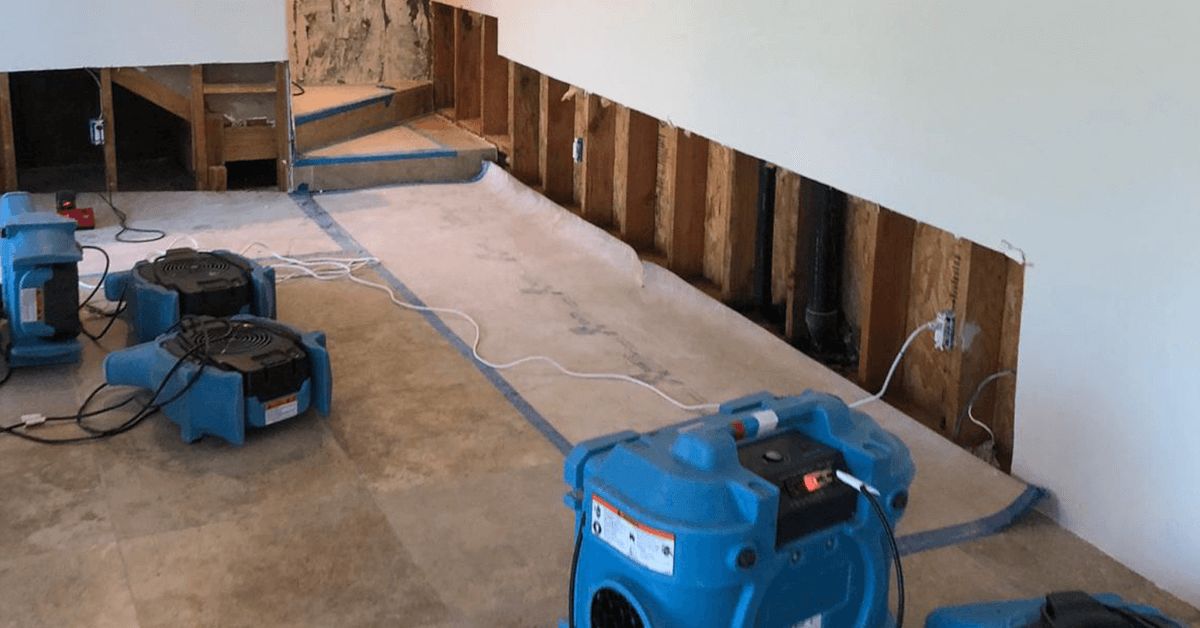
Say so when you call. The tarp is the roof. Wet insulation and drywall are dried as a restoration, with air movers and dehumidification, because Houston air is often too wet to dry a house by opening the windows.
Do you offer emergency roof tarping?
Yes. When a roof is open and it is safe to be up there, we cover the opening so more rain stays out. A tarp is not the finished roof. We do not climb in lightning. Call (713) 909-0034 and tell us if water is still coming in. We respond quickly, often the same day when crews are available.
Do you help with a flood claim the same way as a homeowners claim?
We help document what happened, and we dry and repair what you hire us to do. Flooding from rising water is often a different policy from a homeowners or dwelling policy. Check your policy or ask your insurer which one applies. A bayou flood stays a flood in our notes. We cannot promise payment.
Can you help after a hurricane?
Yes. Call (713) 909-0034 for an active opening or water inside a house, apartment building, or commercial property. We photograph the damage, tarp or board up when it is safe, and help with the drying and the repair estimate. We are not public adjusters. Your insurer decides the hurricane claim.
How do you help with a hail claim?
We inspect and photograph the roof and any water inside before a tarp covers the opening. Then we can meet the adjuster on site and prepare a repair estimate. Your insurer decides whether the marks are hail or wear. We cannot promise the claim will be approved.
What about wind and severe storms?
We document lifted shingles, broken openings, and wet rooms, and we do the emergency work that limits more damage when it is safe. Helping you during the repair means sharing photos and a clear list of the work. We send our estimate to your insurance company for approval and work through it with the adjuster. We are not public adjusters. We do not give legal advice.
Can you help after a tornado?
When the area is safe to enter, we help with photos, temporary protection, water removal, and a repair estimate for homes, commercial buildings, and apartments. Coverage, deductibles, and payment are your insurer's decision. Check your policy.
Greater Houston
Areas we serve
Emergency Roof Tarping & Repair is scheduled from our office in west Houston (77082). The closest neighborhoods have their own pages. Every community below has a page for this service.
- Meyerland
- Montrose
- Garden Oaks
- Oak Forest
- Kingwood
- Cypress
- Spring
- Humble
- Friendswood
- Tomball
- Missouri City
- Fulshear
- Copperfield
- Rosenberg
- Jersey Village
- Towne Lake
- Bridgeland
- Sienna
- Houston
- Westchase
- Alief
- Energy Corridor
- Katy
- Sugar Land
- Bellaire
- Memorial
- Spring Branch
- The Heights
- River Oaks
- West University
- Galleria Area
- Upper Kirby
- Rice Village
- Medical Center
- Bunker Hill
- Piney Point
- Hunters Creek
- Bear Creek
- Cinco Ranch
- Stafford
- Richmond
- Pearland
- Clear Lake
- Baytown
- Galveston
- Texas City
- The Woodlands
- Magnolia
- Copperfield
- Rosenberg
- Jersey Village
- Towne Lake
- Bridgeland
- Sienna
- Cypress
- Spring
- Missouri City
- Fulshear
- Tomball
- Kingwood
- Humble
- Atascocita
- Friendswood
- League City
- Conroe
- Meyerland
- Montrose
Water coming in or a roof open?
Serving Houston since 1993. Call (713) 909-0034 if water is coming in or the roof is open.