
Floors
Houston Wood Flooring
Hardwood that warms a room for decades.
Family-owned in Houston since 1993. Call (713) 909-0034 to schedule an estimate.
The work
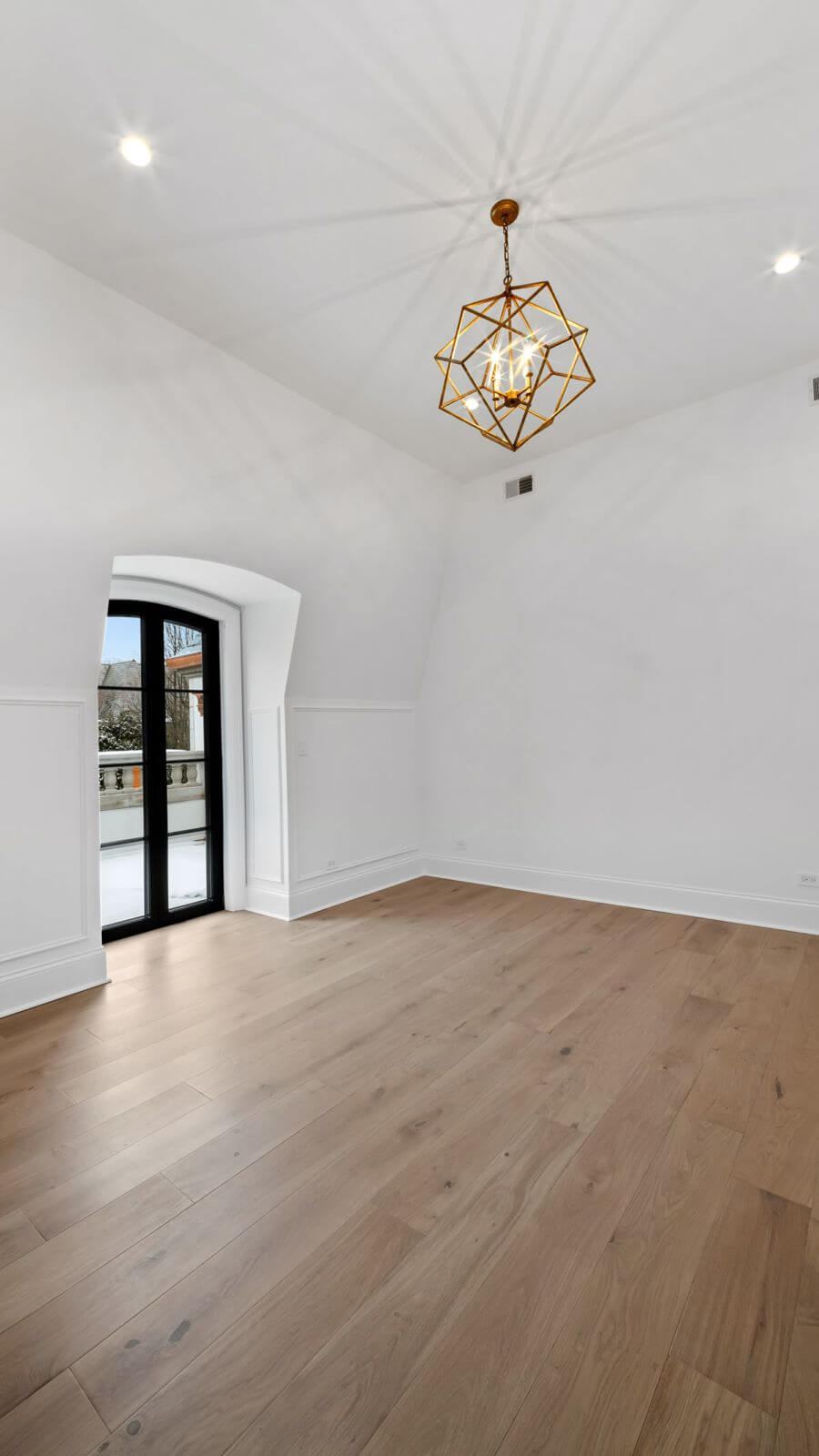
About Wood Flooring
Wood floors change how a Houston house looks and sounds, from a sunlit living room to a stair landing. Getting them right depends on a flat layer under the floor and a finish chosen for the room.
We install hardwood and engineered planks, replace damaged sections, and refinish existing floors, including dustless sanding so the rest of the house stays cleaner. The wood adjusts in the house before it is fastened down.
Wood in a Houston house is a moisture decision before it is a stain decision. Solid boards want a wood subfloor they can be fastened to, which a pier-and-beam house often has and a slab does not, unless we build a sleeper system on purpose. Engineered planks are usually the more stable choice on concrete. We say which one the floor in front of us can take.
New wood is acclimated in the house before it is fastened. Refinishing is offered when the boards are thick enough to sand. Dust collection on the sander is how the rest of the house stays livable during that work.
What is included
- Hardwood and engineered wood installation
- Replacement of damaged boards
- Refinishing with dustless sanding
- Staining and sealing
- Stair landings and transitions
Built for Houston
A floor that holds the whole house.
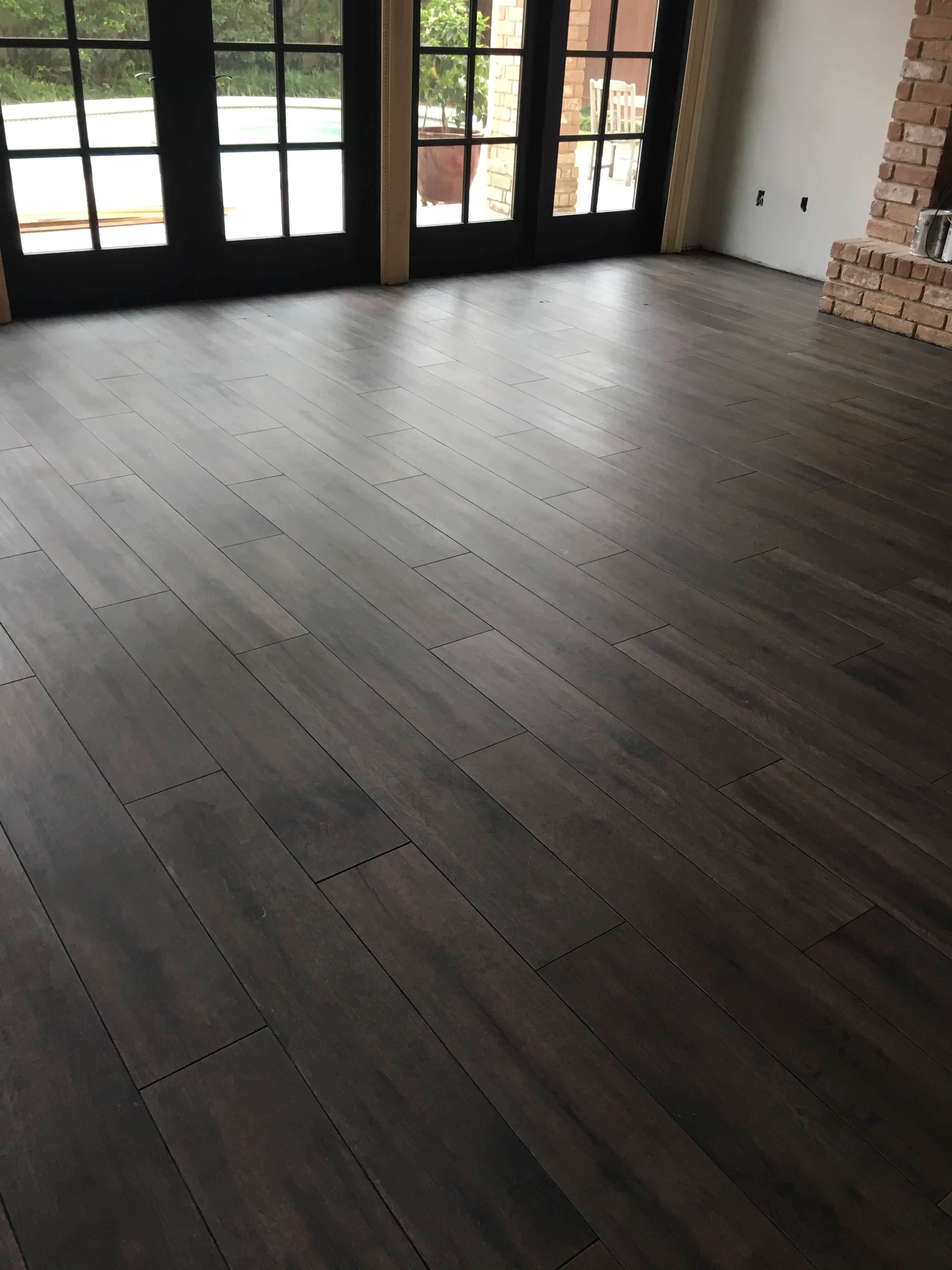
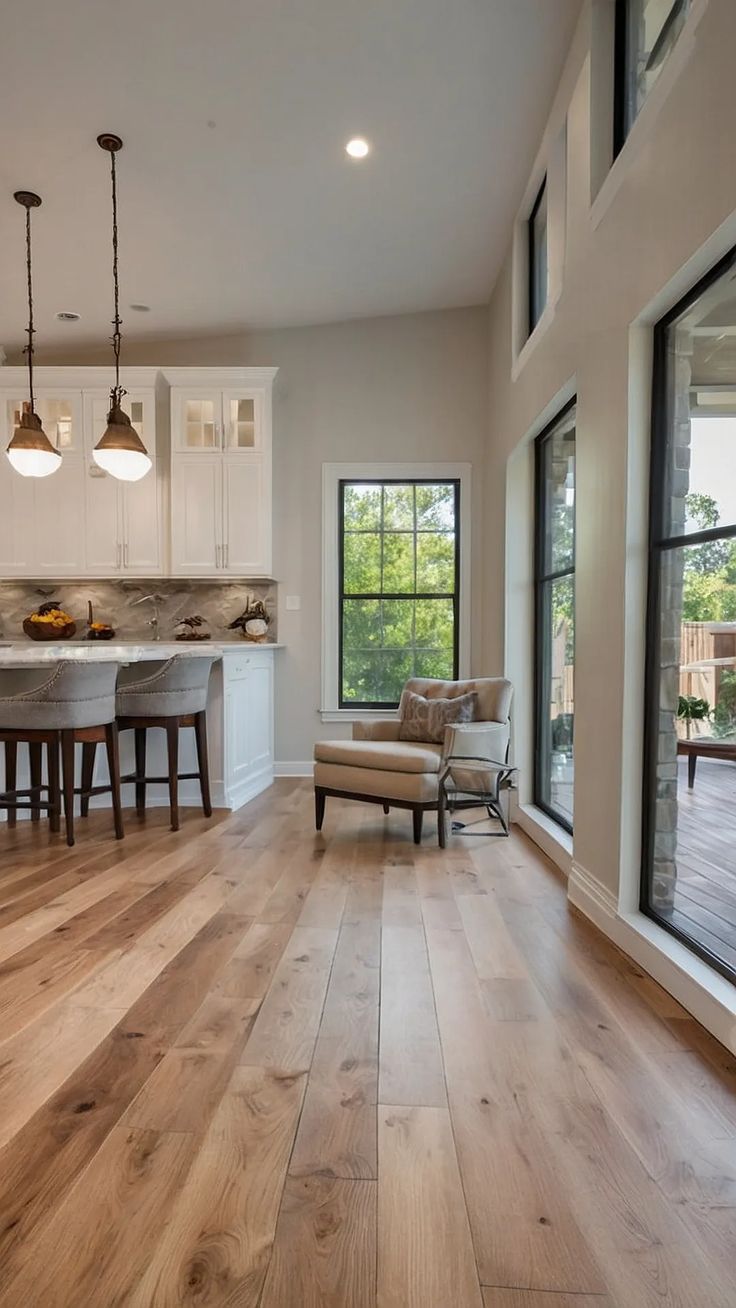
Hardwood in a Houston house is usually a whole-room decision: the living room, the hall, the stair. Wood type, width and stain are what you see. The layer underneath is what makes the floor stay flat.
We install new planks and refinish floors that still have life in them. The wood adjusts in the house before it is fastened, which is how a new floor belongs in a Memorial, Heights or Woodlands home instead of arriving from a warehouse and warping later. When sanding the hardwood is more than the room needs, laminate floor installation is the wood look for dry bedrooms and halls.
A leak on a slab does not drip away. It runs under the flooring and cups the boards from below. In a crawl space, the moisture can come from the ground as well as from a spill. Either way, we want the subfloor dry and flat before new wood goes down, and we do not sand a floor that is still moving.
01
Refinish or replace
Sound boards can be sanded, stained and sealed. Worn-through or mismatched floors are better replaced. We inspect and tell you which.
02
Stairs and landings
Treads, landings and the floor they meet are finished so the wood feels like one stretch through the house.
03
The finish you live with
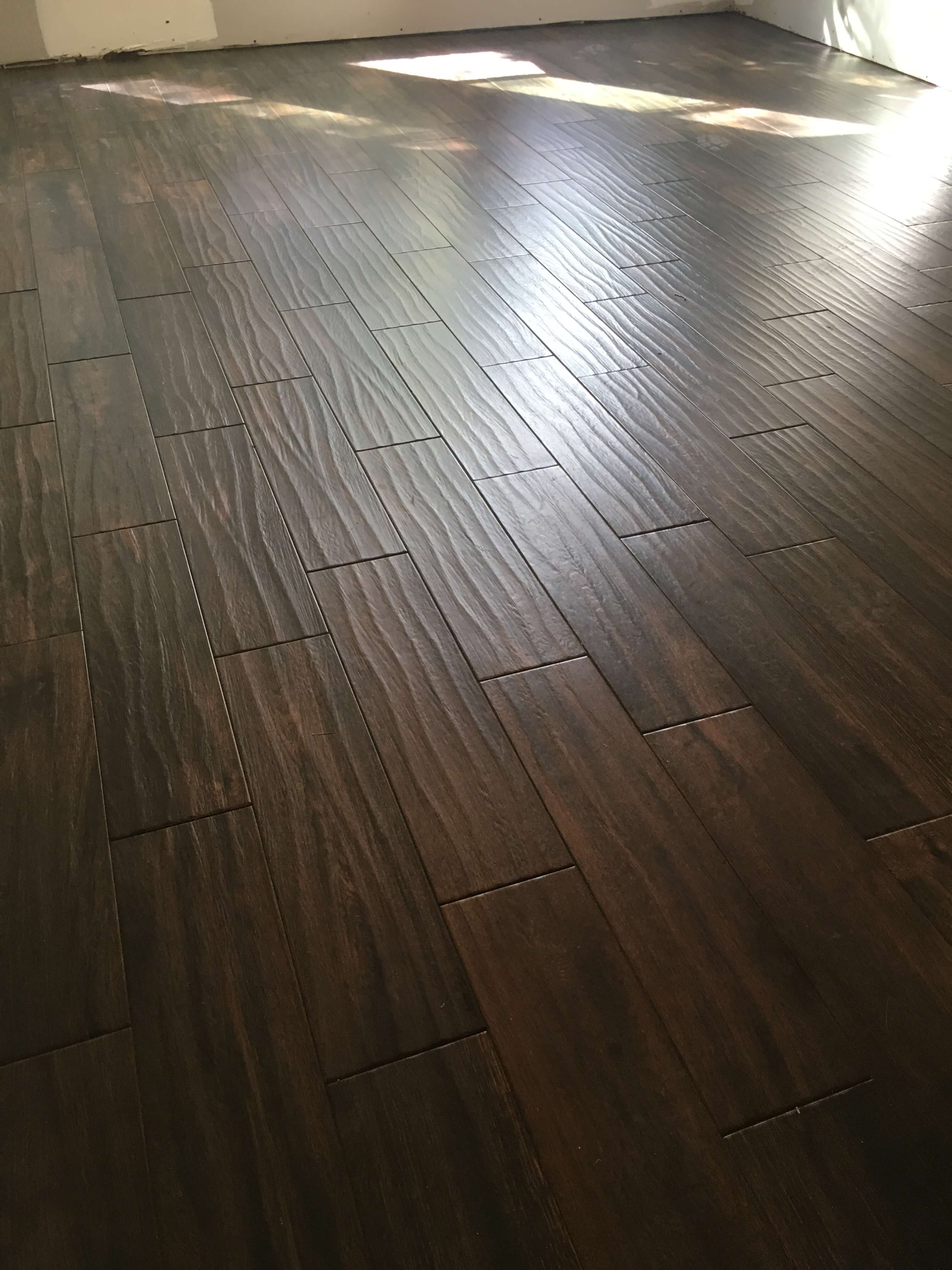
Stain and sealer are chosen for the room and the light, from a pale plank in a new build to a darker floor in an older house.
In and around
Memorial · The Heights · Bellaire · West University · River Oaks · The Woodlands · Bunker Hill · Piney Point
Houston
Humidity, the slab, and the crawl space.
The species and the stain are what you see. The subfloor and the moisture under it are what decide whether the floor stays flat through a Houston year.
Gulf humidity
Indoor wood still moves when the door opens onto summer air and the air conditioning runs for months. We acclimate the material in the house and we finish it for that movement. A floor installed straight off the truck is the floor that cups in August.
Slab houses
Most Katy, Cinco Ranch, Pearland, and Woodlands floors are on concrete. Concrete gives off moisture. A vapor retarder, the right adhesive or underlayment, and a flat slab are the assembly. Solid nail-down hardwood is a poor default on a slab. Engineered, or a sleeper system we have planned, is the honest conversation.
Pier-and-beam bungalows
Many older Heights houses have a crawl space and a wood subfloor. That is where solid boards can be nailed. The subfloor may be out of level, and the crawl space may be damp. We look at both before we sand or overlay. Covering a soft subfloor with a pretty plank does not make it sound.
Permits
Replacing a finish floor is usually not a building permit by itself. Repairing joists, altering the structure, or changing a stair often is. An interior floor is rarely an HOA review. We tell you if the scope has crossed into structure.
How it goes
What to expect, step by step.
- 01
Inspect the floor
We see whether the boards can be sanded, whether the base under the finished floor is flat, and whether a slab or a crawl space is feeding moisture. Refinishing and replacing are different projects.
- 02
Choose species and finish
Solid and engineered, width, stain, and the sheen are decided for the room and the light. The finish is what you live with. The base is what keeps it flat.
- 03
Let it settle
Wood sits in the house before it is fastened. Houston humidity is why. Boards from a warehouse curl once they settle.
- 04
Prep the base
High spots, a loose base, and a slab that is too damp for the product are fixed before the first plank. A pad will not dry a wet slab.
- 05
Install or sand
New planks are fastened the way the product requires. A refinish is sanding with dust control, then stain and sealer, including stairs in the same stretch of floor.
- 06
Cure and walk
The finish needs its full cure time before rugs and heavy furniture. We walk the floor with you and point out the transitions at doors and hearths.
On the job
How the work moves.
01
Consult
We look at the boards, the subfloor, and the moisture. You say whether you want the existing floor renewed or a new species and width. Stairs and the rooms the floor has to meet are part of the walk.
02
Plan
Solid or engineered, the stain, the sheen, and the transitions are chosen. If the floor is a refinish, we confirm there is thickness left to sand. Material is ordered to the square feet plus the waste the layout needs.
03
Prepare
Furniture is planned out of the room. The subfloor is flattened and dried. On a slab we address vapor before the first board. Wood acclimates in the house. A refinish starts with protection and dust collection, not with a stain color.
04
Build
Boards are fastened or glued in the method the product and the subfloor require. Layout keeps the joints staggered and the rows running with the way you walk. Stair treads and landings are detailed with the field so the wood reads as one run.
05
Finish
Sanding, stain, and finish coats are done in the order the product wants, with dry time between coats. A site-finished floor and a prefinished plank are different schedules. We do not rush the cure because the furniture is waiting.
06
Walk through
We walk the floor, the transitions, and the stair with you. You see the sheen in the daylight. We go over cleaning and when rugs and furniture can go back, which depends on the finish, not on a fixed slogan.
Signs
Signs the wood floor is the project.
The finish is gone
Traffic lanes that are down to bare wood, or a finish that has worn evenly, can be a refinish if the boards are thick enough. We measure that. We do not sand a floor that has already been sanded to the tongue.
Boards are cupped or buckled
Cupping is moisture, usually from below. In Houston that is a slab leak, a wet crawl space, or water that sat after a storm. Drying comes before sanding or replacement. Sanding a wet board locks the problem in.
The floor stops at the doorway
A patch of new wood against an old floor, or a height change that catches your foot, is a transition problem. Matching species is sometimes possible. Refinishing the whole room often looks more intentional than a plug.
The stairs do not match the landing
Treads, the landing, and the hall are one walk. If only the living room was done ten years ago, the stair is usually the piece that makes the house feel unfinished.
Materials
Solid, engineered, and a refinish.
The three real options are a refinish of sound boards, engineered planks, and solid hardwood where the subfloor allows it. The house chooses first.
Refinishing
Sand, stain, and finish on boards that still have thickness. Dust extraction on the sander keeps most of the dust out of the rest of the house. It is less disruption than a replacement when the floor is sound. It will not fix a cupped floor that is still wet, and it will not make mismatched species into one species.
Engineered wood
A real wood face on a layered core. It is the usual choice on a Houston slab because it moves less than solid boards. Glue-down, nail-down, and floating methods depend on the product and the concrete. We explain which one we are using before the planks arrive.
Solid hardwood
A full-thickness board, usually nailed to a wood subfloor. It can be sanded more than once over a long life if the original thickness is there. On a slab it needs a system we have planned, not a hopeful nail into concrete. Species, width, and stain are chosen for the light in the room.
Stairs and transitions
Treads, nosings, and the reducer at the tile or the carpet are part of the floor. A pretty field with a bad doorway still feels unfinished. We detail those pieces with the plank, including the height difference an older house always has.
Cost
What wood flooring tends to cost.
Square feet are the multiplier. A room, a stair, and a whole main level are different jobs. Refinishing sound boards costs less than taking them up. Moisture repair under the floor is extra, and we do not fold it into a per-foot number we have not seen.
- Refinish a sound room, about 300 sq ft$1,200 to $3,000
- Engineered install, a main living area$7,000 to $14,000
- Board replacement in a damaged area$500 to $2,500
These are typical planning ranges for wood flooring in Greater Houston, not a quote. The size of the job, the materials, and what we find at the house move the number. The price comes from an on-site estimate. Call (713) 909-0034.
Refinish or replace
Sanding and finishing a sound floor is labor and finish. A new floor is the material, the subfloor prep, and the install. Stairs add both.
Slab prep
A flat, dry slab is the start. Leveling compound, a vapor retarder, and removal of an old glued floor change the price before the first plank.
Species and width
A common oak and a wide engineered plank are different materials. The finish, site-finished or prefinished, changes the schedule and the number.
Insurance
When a leak cups the floor.
A supply line, a refrigerator, or water from a roof opening can cup or stain a wood floor. We photograph the boards and the moisture before anything is sanded or thrown out. Drying is the first construction step. Replacement is the step after the subfloor is dry.
Floodwater and a sudden plumbing leak are often different conversations with an insurer. We do not know which deductible or which exclusion is on your form.
We photograph the conditions and the scope of the work. We send our estimate to your insurance company for approval and work it out with the adjuster. We are not public adjusters. Your insurer decides coverage and payment.
Signs
Signs a wood floor needs work.
Refinish when the finish is gone and the boards are still thick enough to sand. Replace when the boards curled from a leak, wore through at the knots, or were patched with so many species that a stain will not unify them. A squeak can be a loose base. A soft spot is often moisture, and sanding it will not fix the wood underneath.
After a water loss, wood that dried with curled edges or a stain at the edges may not be a candidate to save. We look before we promise a sanding. A planned refinish of a sound floor is construction. A floor being replaced because a supply line wet it is documented with that loss.
01
Enough wood left
Sanding removes wood. If earlier sanding reached the joint, replacement is the honest answer. We check the edge.
02
Curled and humped boards
A board that curled up after a leak or a wet slab may not sand flat. The moisture source has to be gone before new wood goes down.
03
Stairs in the same stretch
A new floor that stops at a tired stair looks unfinished. Treads and landings are included when they are part of the view.
Materials
Solid, engineered, and the finish on top.
Solid hardwood can be sanded more than once over a lifetime, and it moves more with Houston humidity. Engineered wood is more stable and is often the better choice on a slab or in a wider plank. Either one is acclimated in the house. The stain and the finish are chosen for the light and for the traffic. A soft oil look and a tougher film finish are different maintenance. We say which you are buying.
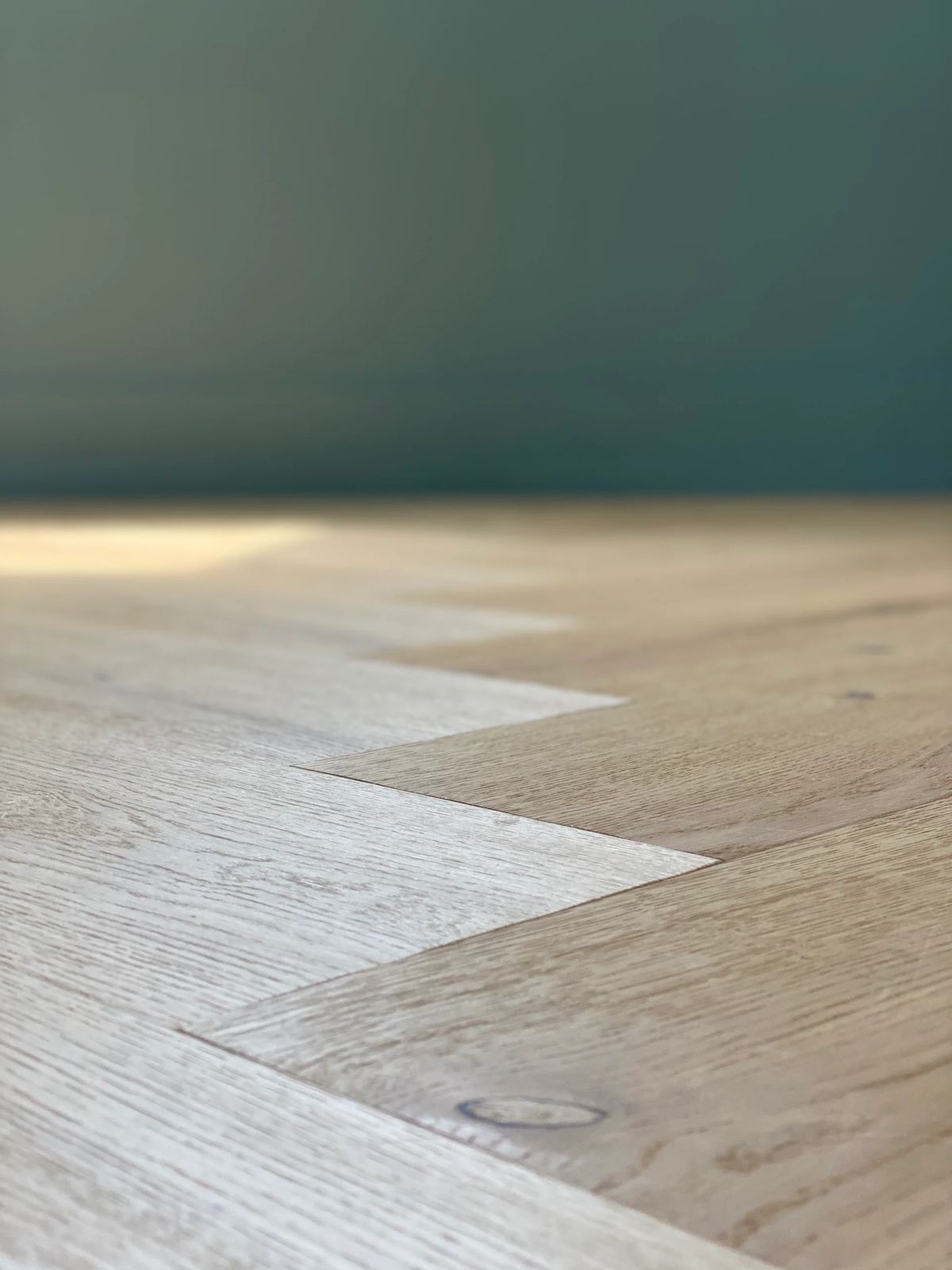
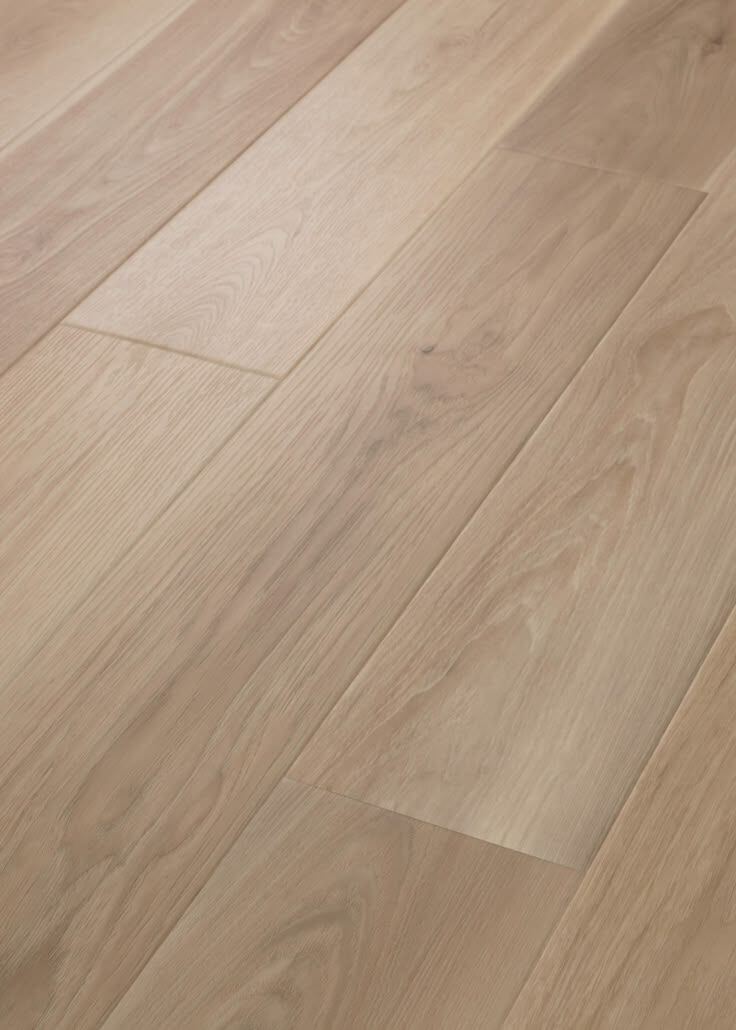
Width and species change the room more than people expect. A wide plank in a bright Memorial room reads differently from a narrow strip in a bungalow. Matching a repair to an existing floor works when the species and the wear can be blended. If the whole room is tired, a patch looks like a patch. Refinishing the room is usually the cleaner result.
01
Slab or crawl space
Engineered wood over a dry, flat slab is a common Houston install. Solid wood nailed to the base is the usual pier-and-beam path. We match the product to the house.
02
Dust control
Refinishing uses sanding equipment tied to dust extraction so the rest of the house stays cleaner. Cleaner is not the same as a room you can use during the sanding.
03
Transitions
The trim at tile, the thresholds at exterior doors, and the stair edges are part of the floor. They are chosen with the plank, not from a leftover bin.
Cost
Refinish, repair, or a new floor.
As a planning range, not a quote, refinishing a sound floor often falls around $3 to $6 a square foot. Installing hardwood or engineered often plans around $8 to $16 a square foot before base repairs. A single living room might land around $2,500 to $7,000. A larger first floor often plans around $8,000 to $20,000 or more once stairs, transitions, and leveling are real. A wet slab or a soft base is extra. The floor will not stay flat without that repair.
The species and the finish move the number inside those bands. So does furniture moving, which we will describe rather than assume. A repair of a few boards is cheaper than a room only when matching material exists and the rest of the floor can live with the patch.
01
Leveling
Dips in the wood under the floor, or a slab that is not flat, are prep. Wide planks and long stretches show every dip. Prep is part of the price.
02
Stairs
Stair treads take more labor than the open floor. A quote that ignores the stair will not match the house.
03
Moisture first
A damp slab or a wet crawl space is dried before wood goes down. Covering moisture to hold a price is a bad trade.
Houston
Humidity, slabs, and pier-and-beam houses.
Wood and Gulf humidity are a managed relationship. The house is air-conditioned, the outdoors is wet, and the floor lives between those. Letting the wood adjust, choosing the right product for a slab, and using a finish that can handle the traffic are how it works. Seasonal gaps can still show. We install the floor so those gaps stay small. A wet or closed-off crawl space under a Heights bungalow will curl a floor from below. We look down there when that is the structure.
Clay soil moves slabs with the seasons. A nailed floor on the wood layer over pier and beam moves differently from a floor glued or floated on concrete. After a plumbing leak, water on a slab runs under the flooring farther than the stain. We find the wet edge before we order plank. Bathrooms and other wet rooms usually get tile.
01
After a leak
Dry the structure first. New wood on a damp slab repeats the cup. Photos of a water loss are separate from a planned refinish. Your insurer decides coverage.
02
Sun on the finish
South and west rooms fade a stain. We talk about that when the floor runs to a wall of glass, which is common in newer Houston plans.
03
Rugs and cure
The finish needs time before rugs go down. We say how long for the product we used. Covering it early marks the floor.
Questions
Good to know.
Should I refinish or replace my hardwood?
If the boards are sound and thick enough to sand, refinishing can renew the floor for much less disruption than replacement. We inspect the boards and the layer underneath first and tell you which path fits.
What is dustless sanding?
Sanding equipment connected to dust extraction, which captures most of the dust as it is created and keeps the rest of your home cleaner.
Do you install hardwood on stairs and in whole houses?
Yes. Planks, landings and stair treads are part of the same floor. We also talk through engineered versus solid where the room and the layer underneath make one the better choice, and we let the wood adjust in the house before it goes down.
Can you match new boards to an existing floor?
Often, yes, when the species and the finish can be blended. If the floor is worn evenly, refinishing the whole room usually looks more intentional than a patch.
Do I need to be home while the floor is sanded?
Someone should meet us and walk the dust plan. You do not have to stay in the room. Pets should be out. If you work from home, say so. Sanding is loud even when the dust is controlled.
How long before rugs can go back down?
It depends on the finish. Covering a floor too soon marks it. We tell you the wait for the product we used. Houston humidity can slow a cure. A weekend guest on a floor that was finished Friday is a question to ask before we schedule.
What if a leak already cupped the boards?
Dry the slab or the crawl space first. New wood on a damp floor cups again. Some cupped boards flatten after a real dry-out. Some do not. We look before we sand or replace. A water loss and a planned refinish are different jobs.
Will the gaps come back every summer?
Small seasonal gaps can. Houston air is wet outside and dry inside when the air conditioner runs. We install so those gaps stay small. A floor that opens wide usually has a moisture problem under it, not a bad stain.
Can you refinish one room and blend the hall?
Sometimes. Sun-faded rooms will not match a fresh room perfectly. If the hall is the same species and thick enough, we can often refinish through the doorway so the line is not a stripe. We say when a blend will still show.
Does the furniture have to leave?
Yes for the rooms we are sanding or installing. We can sometimes work one room at a time so the rest of the house still functions. Appliances and pianos need a plan. Tell us what cannot be moved.
Does a wood floor need a permit?
The floor itself usually does not. If we are also moving a wall or repairing structure under a pier-and-beam floor, that can. The City of Houston and a county address are not the same office. We say which one applies.
Who do I call about a floor?
Call or text (713) 909-0034. Office hours for a scheduled visit are Monday through Saturday, 8:00 AM to 6:00 PM. We work from our office in west Houston (77082). If the floor is wet right now, say so. Drying comes before new wood.
Should I refinish or replace?
If the boards are sound and thick enough, refinishing renews them with less demolition. If they are curled, worn through, or too thin, replacement is the honest answer. We inspect and say which.
What is a planning range for wood floors?
Refinishing a sound floor often falls around $3 to $6 a square foot. New hardwood or engineered often plans around $8 to $16 a square foot before repairs under the floor. Those are planning ranges, not a quote.
Can hardwood go on a Houston slab?
Engineered wood often can, if the slab is flat and dry enough for the product. Solid nailed hardwood wants a wood layer underneath. We will not glue the wrong product to a damp slab.
Will dustless sanding leave the rest of the house usable?
The sander is connected to dust extraction, which captures most of the dust as it is made, so the rest of the house stays cleaner. The room being sanded is still a work zone until the finish has cured.
What does wood flooring typically cost in Houston?
Refinishing a sound room of about 300 square feet often plans at $1,200 to $3,000. An engineered install through a main living area often plans at $7,000 to $14,000. Replacing boards in a damaged area often plans at $500 to $2,500. Solid hardwood, where the subfloor allows it, usually sits higher per square foot than engineered. These are typical planning ranges, not a quote.
Can you install solid hardwood on a slab?
Not as a default nail-down. A slab wants engineered wood, or a sleeper system we have designed for solid boards. Most newer houses in Katy and The Woodlands are slab. Many older Heights bungalows have a wood subfloor in a crawl space, which is the usual place for solid nail-down.
Why did the boards cup after a leak?
Moisture from below swells the back of the board more than the face. On a Houston slab that water has nowhere to go but sideways under the floor. We dry and measure before we sand. Sanding a wet cup locks the shape in.
Do I need a permit for new wood floors?
A finish floor replacement usually does not. Joist repair, a structural change, or a rebuilt stair can. We tell you if the visit turned up that kind of work. An interior floor is rarely something an HOA reviews.
What flooring do you install (laminate, LVP, tile, hardwood)?
We install laminate, luxury vinyl plank (LVP), tile, and hardwood. Tile is the usual floor for a bathroom and other wet rooms. Laminate fits dry bedrooms and halls. Luxury vinyl handles a kitchen or a laundry room better than wood. Hardwood, solid or engineered, depends on whether the house is on a slab or over a crawl space. Call (713) 909-0034 and we will say which one fits the room.
From the blog
Often paired with
Greater Houston
Areas we serve
Wood Flooring is scheduled from our office in west Houston (77082). The closest neighborhoods have their own pages. Every community below has a page for this service.
- Meyerland
- Montrose
- Garden Oaks
- Oak Forest
- Kingwood
- Cypress
- Spring
- Humble
- Friendswood
- Tomball
- Missouri City
- Fulshear
- Copperfield
- Rosenberg
- Jersey Village
- Towne Lake
- Bridgeland
- Sienna
- Houston
- Westchase
- Alief
- Energy Corridor
- Katy
- Sugar Land
- Bellaire
- Memorial
- Spring Branch
- The Heights
- River Oaks
- West University
- Galleria Area
- Upper Kirby
- Rice Village
- Medical Center
- Bunker Hill
- Piney Point
- Hunters Creek
- Bear Creek
- Cinco Ranch
- Stafford
- Richmond
- Pearland
- Clear Lake
- Baytown
- Galveston
- Texas City
- The Woodlands
- Magnolia
- Copperfield
- Rosenberg
- Jersey Village
- Towne Lake
- Bridgeland
- Sienna
- Cypress
- Spring
- Missouri City
- Fulshear
- Tomball
- Kingwood
- Humble
- Atascocita
- Friendswood
- League City
- Conroe
- Meyerland
- Montrose
Planning wood flooring?
Serving Houston since 1993. Call (713) 909-0034 to schedule an estimate.