
Roof & exterior
Houston Roofing
Repair or replacement, detailed for the house under the roof.
Serving Houston since 1993
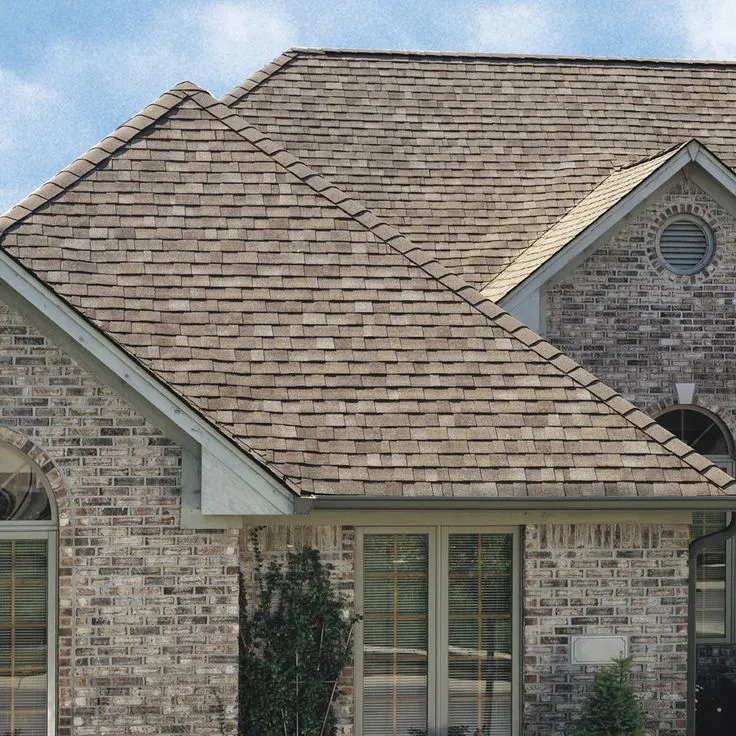
The work
About Roofing
A Houston roof is the material, the underlayment, the flashing and the ventilation, planned as one system. We inspect it and say whether a repair will hold or the roof needs to come off.
After a storm, the first job is often a tarp so the next round of weather stays outside. We photograph what we find for your records and any insurance claim. Your insurer decides coverage. The permanent roof is the step after the house is covered.
What is included
- Roof assessment and photographs
- Repairs when the roof can be saved
- Tear-off, underlayment, flashing and vents
- New roofs in asphalt, metal, tile or composite
- Emergency tarping when the roof is open
- Help with insurance documentation
Roofing materials
Asphalt architectural shingles · Metal · Ceramic and concrete tile · Slate and composite · Cool-roof membranes
Built for Houston
The roof the house shows, and the one it needs.
Brick houses in Memorial and Bellaire and newer roofs in Katy, Pearland and The Woodlands get the same sequence: look, document, then repair or replace. Ventilation, valleys and flashing go in with the roofing, not as an afterthought.
Hurricane season and the squalls that come with it are a Houston fact. When a limb or lifted shingles open the roof, we tarp it when it is safe to be up there, then talk through the permanent roof with the pictures already in hand.
01
Repair or replace
We say which one the roof in front of us actually needs, after the inspection, not before.
02
The whole system
Underlayment, valleys, pipe boots and attic vents are part of a replacement, along with the shingles or metal you see from the street.
03
The first dry night
A secured tarp buys time. It is not the finished roof, and we say when it needs to be checked.
In and around
Houston · Westchase · Alief · Memorial · Katy · Sugar Land · Bellaire · Spring Branch
How it goes
What to expect, step by step.
- 01
Inspect
We look at the covering, the flashing, the penetrations, and what we can see of the deck and the attic. Hail bruises, lifted tabs, and a soft pipe boot are different findings. The visit says which ones you have.
- 02
Photograph
We document the conditions for your records and, if you are filing, for the conversation with your insurer. Photos are not a coverage decision. Your insurer makes that.
- 03
Say repair or replace
A localized repair is the recommendation when the rest of the roof can still do its job. A replacement is the recommendation when the covering, the deck, or the flashing is past that. We say which after the inspection.
- 04
Cover if it is open
If water is coming in and it is safe to be on the roof, we tarp the opening. A tarp is temporary. It is not the finished roof, and we do not install one in lightning or in wind that makes the roof unsafe.
- 05
Build the system
A replacement is tear-off, a look at the deck, underlayment, flashing, vents, and the material you chose. A repair is the detail that failed, done so it belongs to the roof around it.
- 06
Walk the result
We inspect the finished work, clean the site, and go over what was found, including any decking that had to be replaced after the old roof came off.
Signs
Signs a Houston roof needs a look.
The useful signs are specific. Granules in the gutters after a hail storm. Tabs that lifted in a squall and did not settle. A pipe boot cracked at the rubber. A stain on a ceiling that lines up with a valley, a skylight, or a wall flashing, not with a bathroom above. Daylight in the attic where the deck has opened.
Not every storm is a replacement. Houston gets hail, wind, and a lot of roofs that were already near the end of their life when the storm arrived. We inspect and say whether a repair will hold. A ceiling stain by itself is not a diagnosis. It tells us where to start looking.
01
After hail
We look for bruises in the shingles and marks on soft metal, vents, and flue caps. Marked metal is a clue. The roof itself still has to be inspected.
02
After wind
Lifted edges, missing tabs, and flashing pulled loose at a sidewall are wind findings. Wind-driven rain often enters at the metal, not through a field of intact shingles.
03
A slow stain
A stain that grows in ordinary rain may be flashing, a boot, or a valley. Those are often repairs. We confirm on the roof, not from the driveway.
Materials
Asphalt, metal, tile, and the layers under them.
Architectural asphalt is the common Houston roof because it fits the houses and the weight the structure already carries. Metal, concrete or clay tile, slate, and composite are real options when the look and the framing agree. Tile and slate are heavy. We do not put them on a roof that was not built for that weight, and we do not take the weight on faith from a brochure. Cool-roof membranes show up on low-slope sections over porches and additions. A house often has more than one roof plane and more than one system.
The covering is the layer you see from the street. Underlayment, ice-and-water or a high-temperature equivalent where the detail needs it, drip edge, valley metal, step flashing at walls, pipe boots, and attic vents are the roof as a system. A Houston attic runs much hotter than the rooms below. Intake and exhaust are part of a replacement so heat and moisture have a path out. They are not an accessory we mention after the shingles are on.
01
Weight and the frame
Asphalt replacing asphalt is the usual structural case. A move to tile or slate is a structural question we answer on the house.
02
Flashing at walls and chimneys
Brick Memorial houses and siding walls fail at the step flashing more often than in the field. That metal is part of the job.
03
Penetrations
Plumbing vents, bath fans, and kitchen hoods all come through the roof. Each one needs a boot or a curb that belongs to the new covering.
Cost
Repair, replacement, and the ranges we publish.
A replacement price is the house under the roof: squares, pitch, stories, valleys, and what the deck looks like after tear-off. The planning range we publish for an architectural asphalt replacement on many Houston houses is about $12,000 to $24,000. Metal, tile, or composite is typically about $20,000 to $45,000 when the structure can carry it. Decking found soft after tear-off is often about $75 to $150 a 4x8 sheet, and a group of those repairs often lands about $500 to $2,000. A larger, steeper, or more cut-up roof can sit above those bands. The estimate is the roof we measured.
A repair is not a small replacement. A pipe boot, a short run of flashing, or a few slopes of shingles is priced from the inspection. Many localized repairs land in a wide planning band of about $400 to $2,500, and a repair that opens the deck or rebuilds a valley is more. We will not quote a per-square number from the curb. Pitch and access change the day, and a per-square figure written first leaves them out.
01
Stories and pitch
A one-story Memorial ranch and a two-story Woodlands roof with steep fronts are different crews and different time. Both are priced from the roof, not from the zip code.
02
Tear-off findings
Soft decking, two old roofs left in place, or rotten fascia shows up when the covering comes off. We tell you before that work is added.
03
A claim is not a bid
What an insurer pays and what the roof costs are different numbers. We can document the roof. We do not set the claim, and we are not a public adjuster.
Houston
Hail, heat, hurricanes, and the address.
Hurricane season on the Gulf runs from June 1 through November 30. That is when the tarps and the wind-damaged flashing cluster, but Houston hail is often a spring event, in the severe storms that cross the area before summer sets in. A roof can be hurt in either season, and it can also just wear out under heat. South and west slopes age faster. Valleys that collect water from two slopes are where a worn roof usually tells on itself first.
The permit and the wind exposure follow the address. A house in the City of Houston, a house in Bellaire or West University Place, a house in the Memorial villages, and a house in unincorporated Harris or Fort Bend County are not the same counter. Clear Lake and Galveston see more coastal wind. Katy and Cypress see plenty of hail. We specify the roof for the house we are on, and we do not describe one product as hurricane-proof. No covering is.
01
Wind-driven rain
Rain that travels sideways finds sidewall flashing, chimneys, and skylights. The field of the roof can look fine while the ceiling still stains.
02
Attic heat
Ventilation is how a Houston attic sheds heat. Blocked soffits and a painted-over ridge vent are findings, not trivia.
03
Older decks
Plank decking in older Heights and East End houses is a different tear-off from plywood on a 2005 Katy roof. We price the deck we expect, then confirm it.
Insurance
Photos, deductibles, and what we will not pretend.
Many Texas homeowners policies, especially in Harris County and closer to the coast, carry a separate wind or hail deductible that is a percentage of the dwelling limit. One, two, and five percent are common figures. A two percent deductible on a higher dwelling limit is a different dollar amount from the deductible on a kitchen supply line. The percentage and what it applies to are in your policy. We do not read the policy for you, and we do not tell you the claim is worth filing. That is your decision, with your agent or your insurer.
If you do file, photographs of the roof, the soft metal, and any interior wetting are the record. We take those photos as part of the inspection. We can meet the information an adjuster asks for about the roof we saw. We do not negotiate the settlement, we do not inflate a scope to chase a deductible, and we do not tell you to file a claim we have not inspected. Temporary covering, when the roof is open and it is safe to be up there, is about limiting further damage. Many policies expect that. It is still not a promise of coverage.
01
Interior water is separate
A roof opening that wets insulation and drywall is also a drying job. We photograph both. The interior repair waits on dryness.
02
Matching
Repairing one slope so it blends with weathered shingles is not always possible. We say when a patch will read as a patch.
03
No arrival promise
Call (713) 909-0034 if water is coming in. The emergency form is a request for a call back, not a guaranteed arrival time.
Questions
Good to know.
Do you repair roofs, or only replace them?
Both. We inspect the roof and say whether a repair will hold or the roofing needs to come off. A replacement includes the tear-off, a look at the deck, new underlayment, flashing, vents and the material you chose.
What roofing material makes sense in Houston?
We compare appearance, weight, heat and wind for your house. Architectural asphalt is common. Metal, tile and composite are options when the structure and the look call for them.
Will you help with my insurance claim?
We provide inspection photos and documentation that support a claim. Your insurer decides coverage.
What if water is coming in right now?
Call (713) 909-0034. A tarp is temporary protection, not a finished roof. We photograph the damage, cover the opening, and plan the permanent repair once the house is dry.
How do I tell a repair from a replacement?
You do not, from the driveway. We inspect the covering, the flashing, and what we can see of the deck. A repair is the recommendation when the rest of the roof can still work. Replacement is the recommendation when it cannot.
What does a Houston roof replacement usually cost?
Architectural asphalt on many houses is typically about $12,000 to $24,000. Metal, tile, or composite is typically about $20,000 to $45,000. Soft decking is often about $75 to $150 a sheet. Those are planning ranges, not a quote, and a large or steep roof can sit higher.
Does hail always mean the whole roof comes off?
No. We look for bruises, lost granules, cracked mats, and marks on soft metal. Some storms damage a roof. Some do not. The inspection is the answer for the roof in front of us.
Who permits a roof in the Houston area?
A full replacement in the City of Houston is typically permitted. Bellaire, West University Place, the Memorial villages, Sugar Land, Pearland, and the counties that cover Katy and The Woodlands have their own offices. We match the permit to the address.
Greater Houston
Areas we serve
Roofing is scheduled from our Houston office at 511 Crestwater Ct, 77082. The closest neighborhoods have their own pages. Every community below has a page for this service.
- Houston
- Westchase
- Alief
- Energy Corridor
- Katy
- Sugar Land
- Bellaire
- Memorial
- Spring Branch
- The Heights
- River Oaks
- West University
- Galleria Area
- Upper Kirby
- Rice Village
- Medical Center
- Bunker Hill
- Piney Point
- Hunters Creek
- Bear Creek
- Cinco Ranch
- Stafford
- Richmond
- Pearland
- Clear Lake
- Baytown
- Galveston
- Texas City
- The Woodlands
- Magnolia
Planning roofing?
Serving Houston since 1993. Call (713) 909-0034 for a free estimate.